
Showing 1–9 of 10 results

In Stock
SKU: 77990
View Product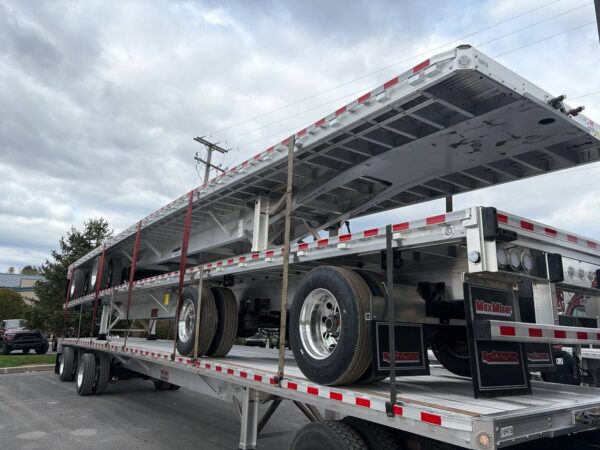
On Backorder
SKU: 74669-2
View Product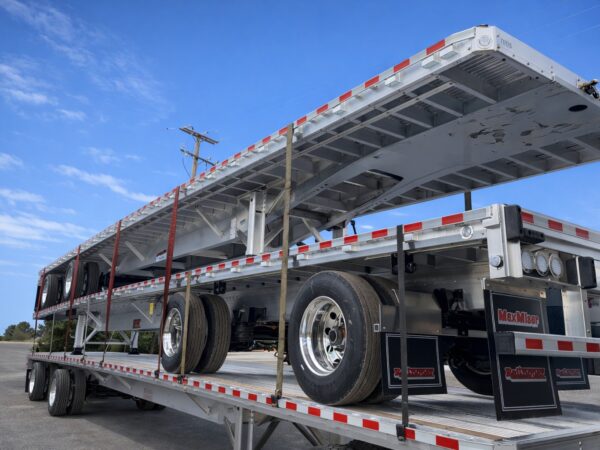
On Backorder
SKU: 74669-2-1
View Product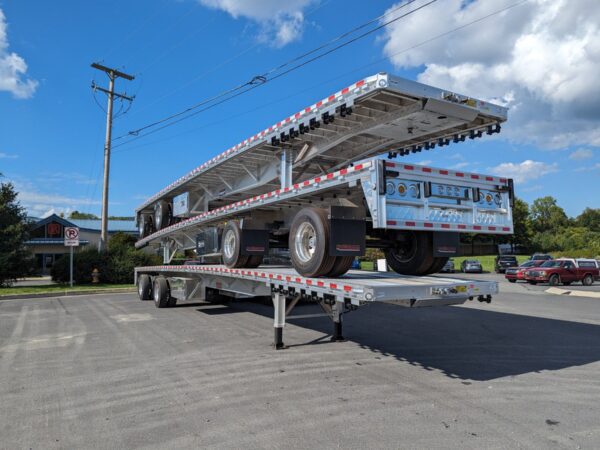
On Backorder
SKU: 74669
View Product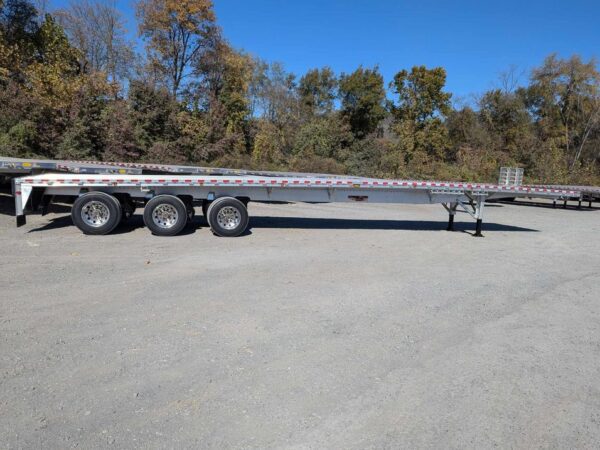
On Backorder
SKU: TBD BB 26
View Product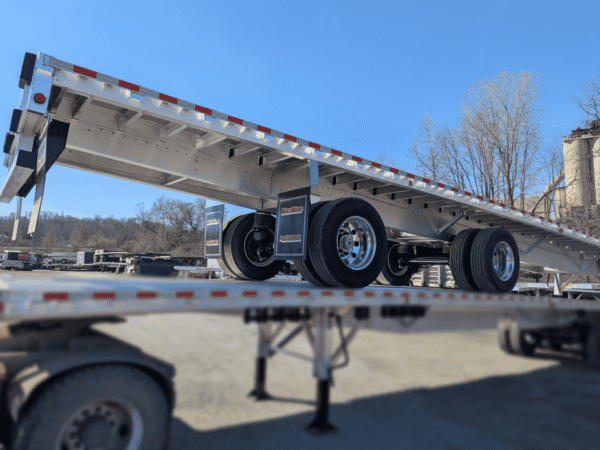
On Backorder
SKU: 75528
View ProductOn Backorder
SKU: TBD BB
View Product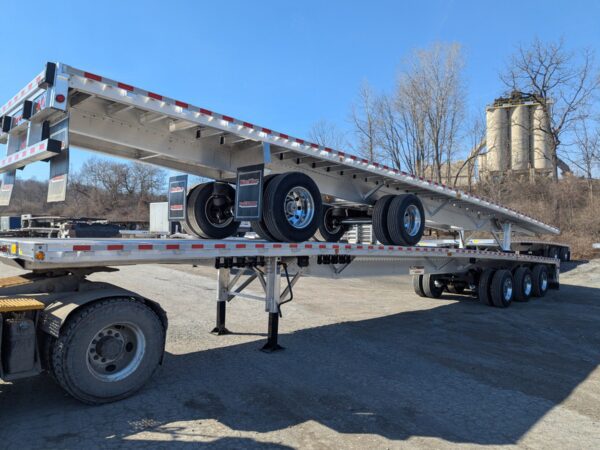
On Backorder
SKU: RBBF2026
View ProductOn Backorder
SKU: RBBF2026-1
View ProductWhen you run freight for a living, you do not buy equipment for looks. You buy it for uptime, payload efficiency, and predictable performance under pressure. INTERSTATE 365 supports owner operators, dispatch teams, and fleet managers who demand a practical trailer that earns money every mile. Our flatbed trailers deliver that kind of reliability, and our inventory of flatbed trailers for sale targets real-world freight, not showroom fantasies.
At INTERSTATE 365, we focus on flatbed trailers designed for commercial hauling where the job changes daily. Shippers ask for steel one week, machinery the next, and job-site materials after that.
You need a deck that adapts without drama. Our trailers offer a straightforward platform for securement, fast turnarounds, and flexible loading methods. That open deck also supports easy loading from the side, from above, or at awkward job sites where a dock never shows up.
Our selection covers heavy duty demands and daily abuse. Drivers face weather, rough yards, uneven ramps, and time windows that never budge. A strong trailer helps you keep control when you pull heavy loads, manage tight schedules, and protect cargo value. You also reduce the total cost of ownership when you choose components that handle cycles of tension, vibration, and braking without slipping into constant repairs.
Flatbeds combine speed, access, and securement flexibility. You can load from any side, handle mixed freight, and adapt to changing lanes without switching equipment. When you manage weight capacities correctly and match the deck to your freight profile, flatbeds support consistent utilization and strong revenue per mile, even with irregularly shaped cargo that challenges enclosed trailers.
Flatbeds also serve as the base platform for multiple solutions across different trailer types. Standard flatbeds cover the widest range of freight.
Extendable flatbeds solve long product challenges. Step decks and drop decks reduce overall height for taller machines while keeping legal routing in reach. Your lane mix should drive the choice, not guesswork.
If you want proven options from a respected manufacturer, start with these two units:
2027 REITNOUER BIG BUBBA 22.5 FLATBED TRAILER. This model targets high utilization operations. It fits demanding lanes where drivers haul machinery, steel, and other freight that forces the trailer to earn its keep every day.
2027 REITNOUER MAXMISER FLATBED TRAILER. This model balances practical deck space with an efficient configuration for general freight, equipment moves, and mixed shipments.
These examples sit inside a broader inventory that offers a wide range of open deck configurations and pricing levels. If you manage a fleet, you can standardize specs for maintenance simplicity. If you run solo, you can prioritize payload, deck length, and securement architecture that match your freight mix.
You should begin with three fundamentals: freight profile, lane conditions, and securement routine. Freight profile tells you how you load, how you tie down, and how you distribute weight. Lane conditions tell you how often you face tight turns, rough yards, and uneven job sites. Securement routine tells you what hardware you use daily and how quickly you can execute it under time pressure.
A standard flatbed works when you haul palletized goods, steel bundles, lumber, and general equipment. An extendable flatbed works when you haul long materials that exceed a fixed deck length. A step deck works when you haul taller equipment and want a lower deck height for compliance. You can pick from these trailer types based on what you pull most weeks, not what you might haul once a year.
Shippers also push freight that refuses to cooperate. Many loads arrive irregularly shaped, especially fabricated components, awkward machinery, and mixed construction shipments. A flatbed lets you position freight with crane access and build a securement plan around real geometry, not around walls that limit options. That flexibility drives profitability because you can accept a broader range of freight without changing your core equipment.
Every profitable run depends on disciplined planning around weight capacities. You need to know the freight weight, its center of gravity, and how the placement affects axle distribution. You also need to respect legal limits and route constraints. A flatbed gives you freedom, but freedom without planning creates fines, service disruptions, and avoidable risk.
A smart buyer evaluates the trailer as a system, not as a single purchase price. Look at deck construction, main rail strength, crossmember spacing, securement points, and how the trailer handles repeated tension from straps and chains. When you run tight schedules, you need predictable hardware. A quality flatbed supports consistent securement tension and helps you reduce load shifts, damaged freight claims, and downtime.
This is where expertise matters. Many drivers chase the cheapest trailer, then spend months fixing the consequences. A better approach focuses on durability, resale strength, and operational control. You protect your business when you buy equipment that supports transporting heavy freight with confidence, not luck.
Many operators make steady money from transporting construction materials because job sites never stop. Lumber, rebar, pipe, bundled products, and mixed pallets all load quickly on flatbeds. You can unload fast even when the site offers limited space. You also gain versatility when the shipper changes the order at the last minute.
Construction lanes also test equipment harder than highway-only freight. You face dust, uneven ground, sharp turns, and sudden stops. A heavy duty setup helps you handle that environment with fewer headaches. You also keep service intervals more predictable when you pick components that match real usage.
At INTERSTATE 365, we do not push random inventory. We guide buyers toward equipment designed to meet their lane reality. We ask about your commodities, average payload, loading methods, and the routes you run. Then we align those details with a trailer that supports your workflow.
In practical terms, that means you can shop trailers for sale with clarity. You do not have to decode vague marketing language. You ll find direct answers about deck length, spec fit, and the operational tradeoffs that matter to professionals. You can also discuss financing options, timelines, and availability without wasting time.
One principle guides our catalog: trailers are designed to perform under commercial stress, not under ideal conditions. You need equipment that tolerates daily cycles, handles shifting requirements, and protects your earning potential through predictable performance.
If you want flatbed trailers for sale that support real freight and real schedules, INTERSTATE 365 can help you find the perfect match. Tell us what you haul, how you load, and what you expect from your next trailer. We will recommend a configuration that supports uptime, securement efficiency, and consistent revenue across the lanes you run.