
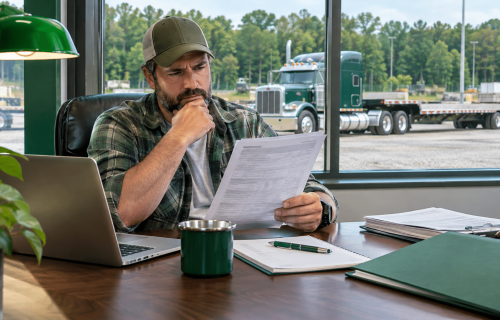
Explore semi trailer financing with bad credit, learn what lenders review, and prepare for your commercial trailer loan application.

Explore semi trailer financing with bad credit, learn what lenders review, and prepare for your commercial trailer loan application.
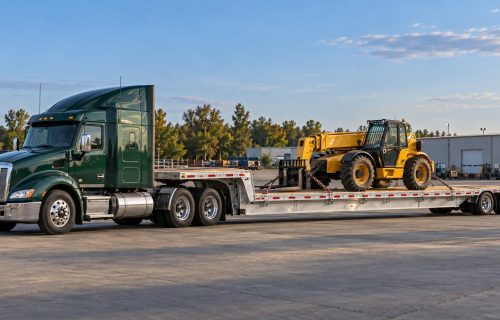
A dropdeck trailer is built for freight that needs more vertical clearance, safer loading angles, and flexible tie-down options. One of the most practical trailer types for machinery, tall cargo, construction materials, and other loads that may be awkward or inefficient on a standard flatbed. For buyers, fleet managers, and
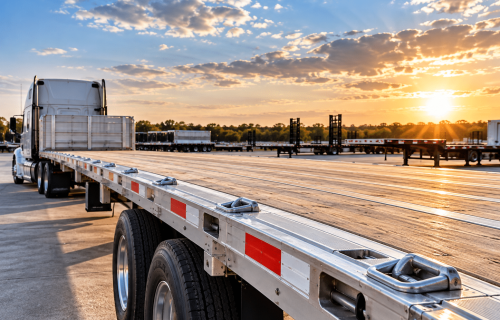
A 53-foot flatbed trailer provides a large, open space for transporting materials, equipment, machinery, lumber, steel, and other items that can’t fit in a closed trailer. Choosing the right one means looking beyond length and price to match the trailer’s structure, deck, securement options, and condition to the work it
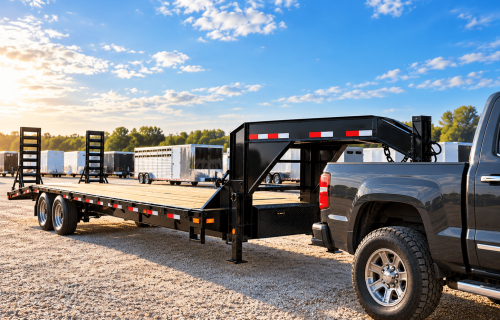
A gooseneck trailer is a practical choice when you need better stability, higher hauling confidence, and more usable deck space than many bumper-pull options can offer. Whether you are looking for a livestock hauler, equipment mover, flatbed, or horse trailer, the right model depends on what you tow, how often
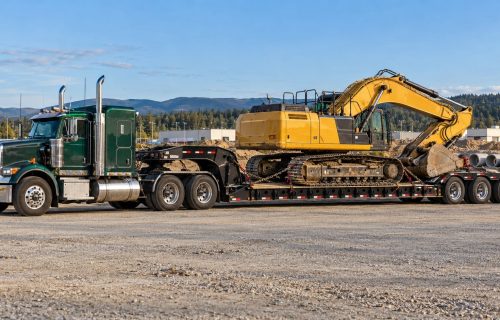
A lowboy gooseneck trailer is built for hauling tall, heavy, and hard-to-load equipment with more stability and clearance than many standard trailer types. Its lower deck height, strong frame, and gooseneck connection make it a practical choice for construction, agriculture, industrial transport, and heavy equipment moves. If you are comparing
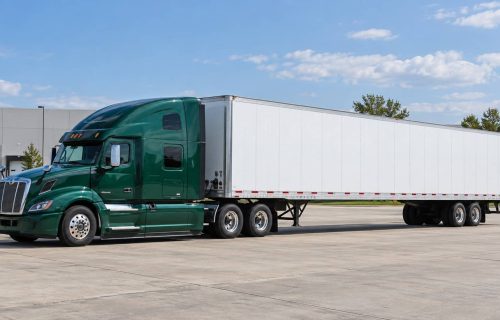
Semi trucks come in many configurations, but most buyers, fleet managers, shippers, and drivers need to understand the same core measurements: tractor length, trailer length, width, height, wheelbase, and payload limits. Knowing a semi truck’s dimensions helps you plan loading, routing, storage, dock access, and equipment purchases with fewer surprises.
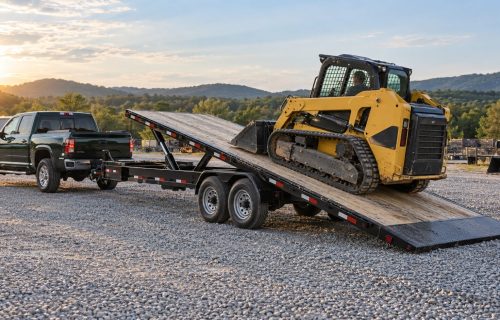
A tilt bed trailer makes loading and unloading smoother by letting the trailer deck angle toward the ground, rather than relying only on separate ramps. For drivers hauling cars, compact equipment, small machines, or general cargo, that simple trailer tilt can save time, reduce hassle, and create a more controlled
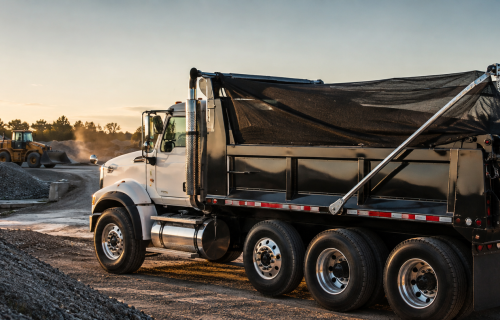
A reliable tarp system helps dump truck operators protect loads, improve jobsite safety, and stay more efficient on the road. Whether you haul gravel, mulch, demolition debris, sand, or agricultural material, the right dump truck tarp keeps cargo contained and helps reduce the daily hassle of covering a truck bed
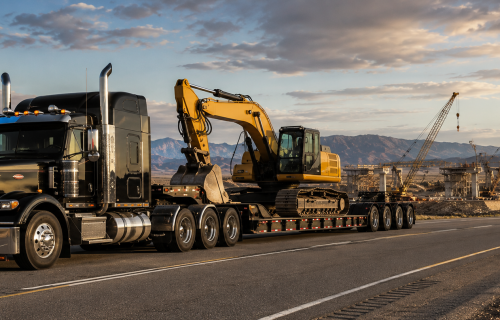
Construction sites run on movement: excavators arriving on schedule, skid steers bouncing between jobs, and dozers relocating before the next phase begins. That’s where construction equipment haulers come in—specialized machinery haulers and equipment movers that provide reliable transport solutions for everything from compact loaders to oversized earthmovers. When done right,