
A gooseneck trailer is a practical choice when you need better stability, higher hauling confidence, and more usable deck space than many bumper-pull options can offer. Whether you are looking for a livestock hauler, equipment mover, flatbed, or horse trailer, the right model depends on what you tow, how often you tow it, and the truck you plan to use. This guide walks through the main types of gooseneck trailers, what to compare, and how to shop smarter when reviewing trailers for sale.
What should you look for in a gooseneck trailer for sale?
When comparing a gooseneck trailer for sale, start with the trailer’s purpose, weight rating, build quality, and compatibility with your tow vehicle. A good trailer is not just the one with the longest deck or lowest price; it is the one that safely handles your cargo, fits your daily workflow, and offers the right combination of durability, loading access, braking, and tie-down options.
Gooseneck trailers connect over the truck bed instead of behind the bumper, which helps distribute weight more effectively and improves maneuverability under load. That makes them popular for hauling farm equipment, vehicles, hay, construction materials, livestock, and horses. Still, not every gooseneck is built for the same job, so careful matching matters.
Before you fall in love with a listing, check the essentials:
- Gross vehicle weight rating: Make sure the trailer rating works for the heaviest load you expect to haul.
- Empty weight: A heavier trailer may be stronger, but it also reduces available payload.
- Deck length and width: Match the deck to your equipment, animals, or cargo layout.
- Axles, suspension, and brakes: These affect towing feel, stopping power, and maintenance needs.
- Loading style: Ramps, dovetails, side doors, rear gates, and interior dividers should fit your routine.
- Truck compatibility: Confirm hitch setup, bed clearance, tow rating, payload capacity, and electrical connection.
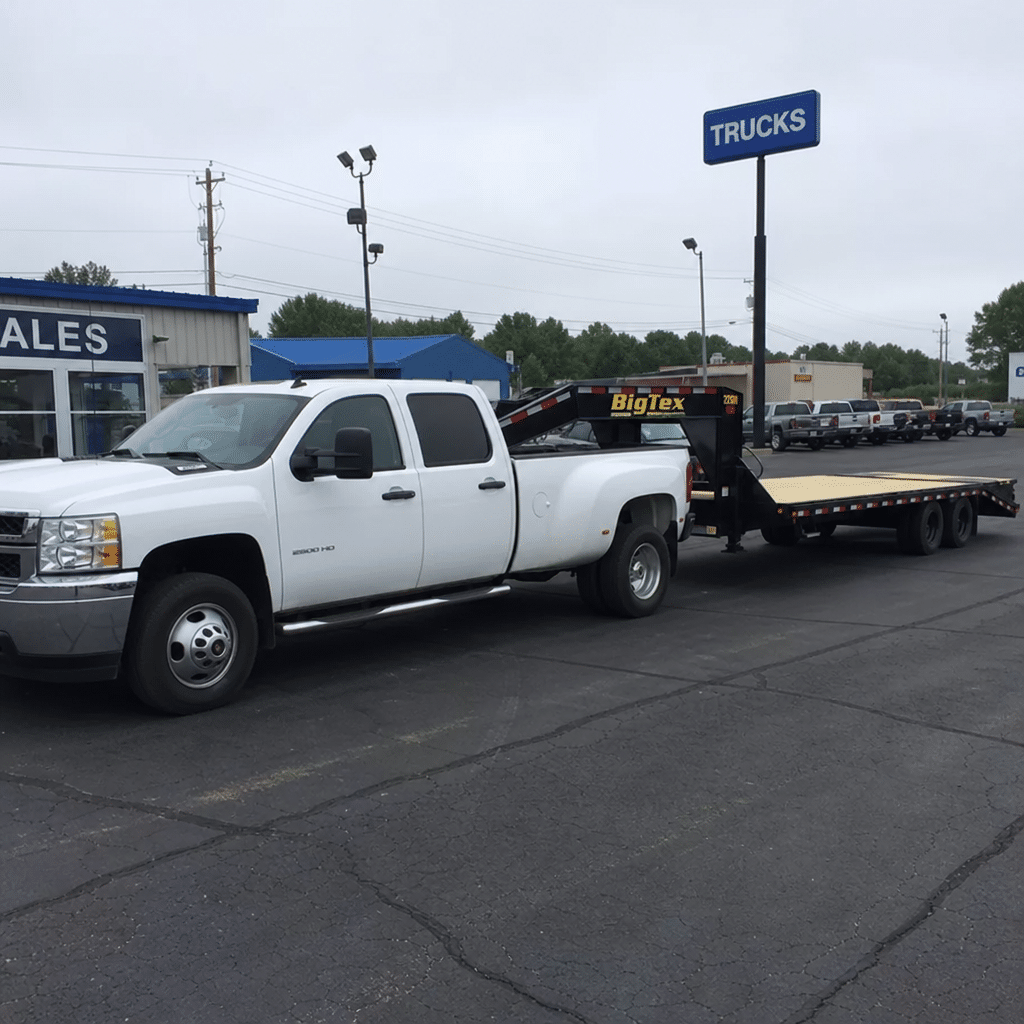
The main types of gooseneck trailers
Gooseneck trailers are built in several configurations, and each one solves a different hauling problem. Knowing the differences can help you narrow your search quickly instead of scrolling through every trailer that happens to have a gooseneck hitch.
Flatbed gooseneck trailers for equipment and materials
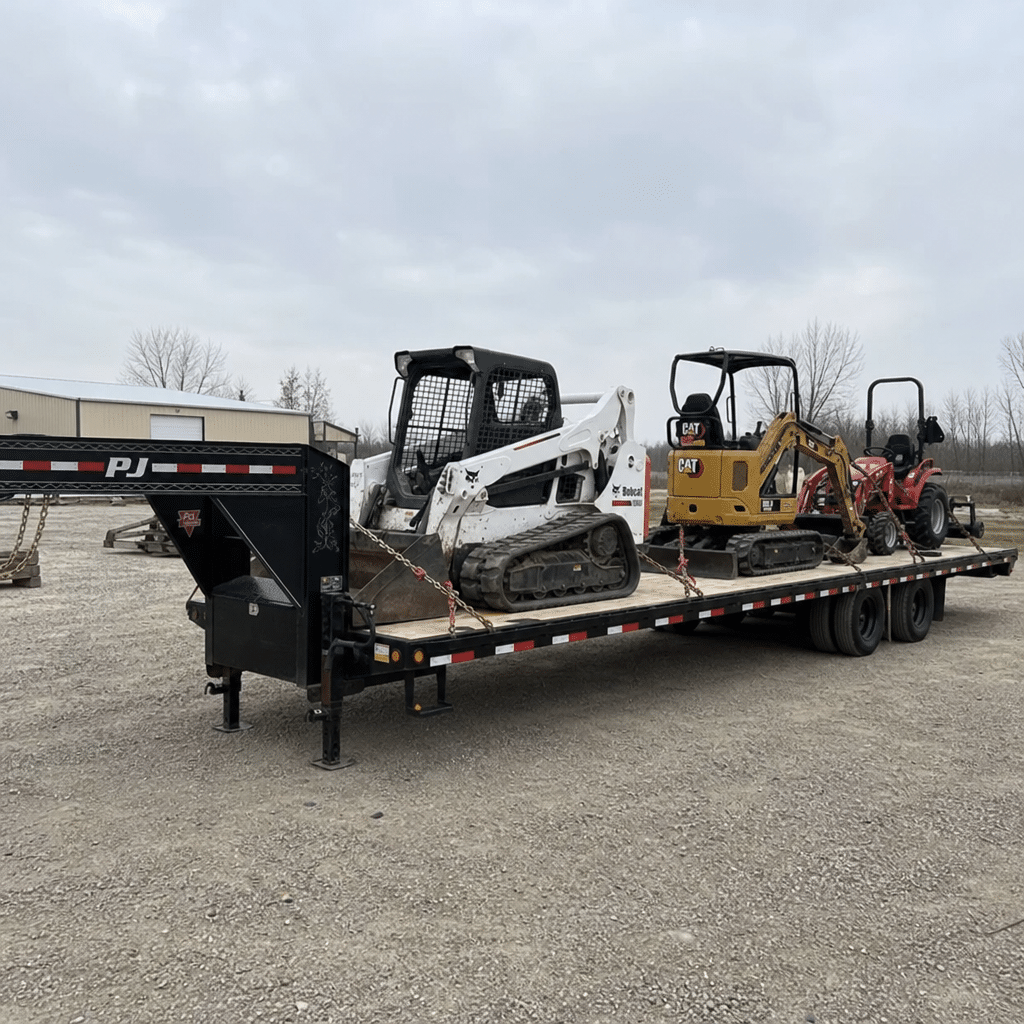
A gooseneck flatbed trailer is one of the most versatile choices for businesses, farms, and owner-operators. Its open deck makes it easier to load tractors, skid steers, lumber, pallets, vehicles, hay, and jobsite supplies. Many shoppers searching for a gooseneck flatbed trailer for sale want flexibility because their cargo changes from week to week.
When comparing flatbeds, look closely at deck length, ramp strength, frame construction, stake pockets, rub rails, and tie-down points. A dovetail may make loading wheeled equipment easier, while a straight deck can be better for certain freight or material loads. If you haul mixed cargo, the best gooseneck flatbed trailer is often the one that gives you enough tie-down versatility without adding features you rarely use.
Horse and livestock gooseneck trailers
A gooseneck horse trailer for sale should be evaluated differently than an equipment trailer because animal comfort and safety are central. Ventilation, flooring, stall layout, dividers, escape doors, tack storage, lighting, and ramp or step-up design all influence daily use. A trailer that looks good from the outside may still be a poor fit if the interior layout makes loading stressful or maintenance difficult.
If you are searching for a 2 horse gooseneck trailer for sale, think about more than stall count. Consider whether you need dressing room space, saddle racks, feed storage, or room for overnight travel gear. Smaller horse trailers can be easier to tow and park, but they still need strong floors, safe partitions, and enough headroom for the animals you transport.
Enclosed and specialty gooseneck trailers
Some gooseneck trailers are enclosed to protect cargo from weather, road debris, and theft. These can be useful for race cars, tools, mobile service setups, motorcycles, or valuable equipment. Specialty configurations may include living quarters, contractor interiors, hydraulic dovetails, tilt decks, or custom storage.
The more specialized the trailer, the more important it is to inspect whether the features truly support your work. Extra cabinets, partitions, or hydraulic systems can be helpful, but they also add weight and maintenance considerations. Focus on function first, then decide which conveniences are worth paying for.
New and used gooseneck trailers both have a place
New gooseneck trailers appeal to buyers who want current features, clean condition, and the ability to choose a configuration that fits their needs from the start. A new trailer can be the better option if you plan to use it heavily, need specific dimensions, or want to avoid unknown wear from previous owners.
Used gooseneck trailers can also be a smart purchase, especially when the frame, axles, brakes, floor, tires, and coupler have been well maintained. The key is to inspect carefully and avoid treating a low price as the only advantage. A cheaper trailer that needs immediate tires, brake work, decking, wiring, or structural repairs may cost more than expected.
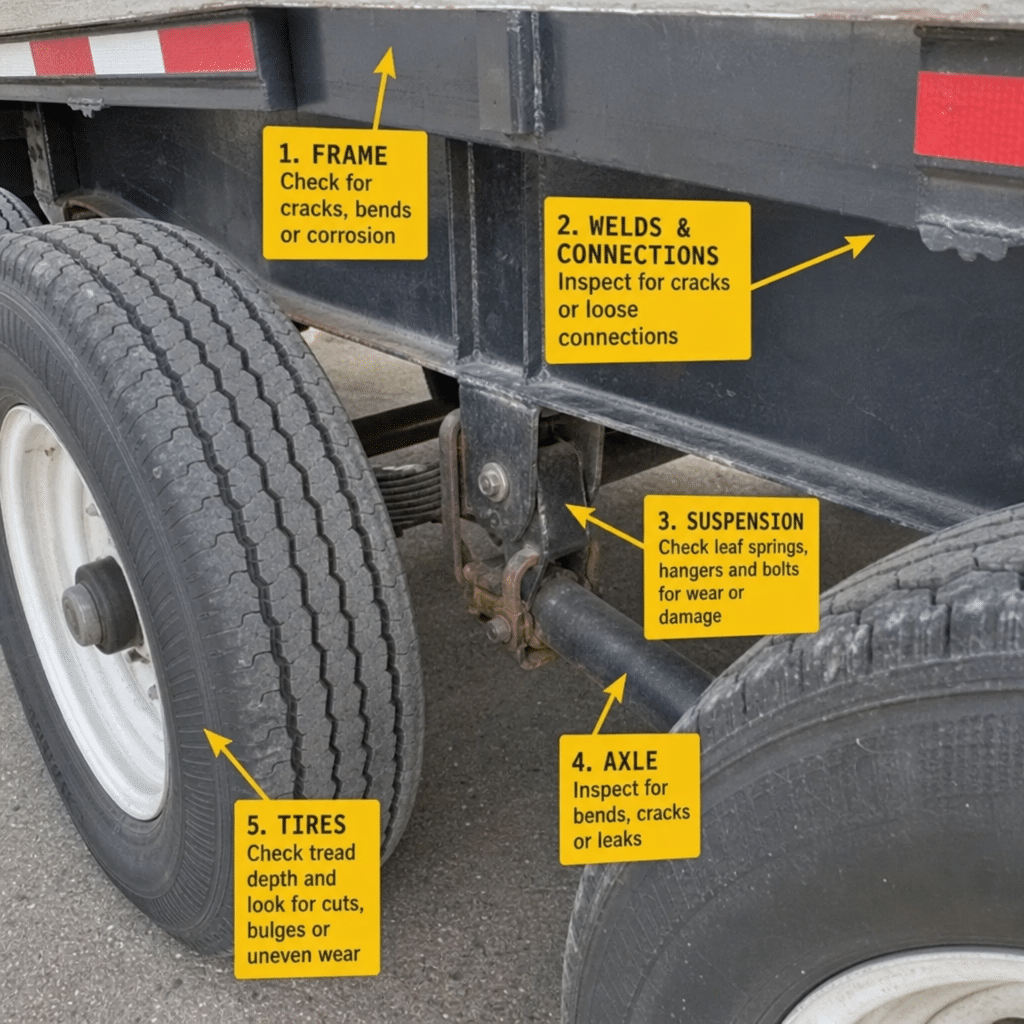
Use this quick checklist when reviewing used options:
- Inspect the frame and welds for cracks, heavy rust, bends, or signs of poor repair.
- Check the deck or floor for rot, soft spots, gaps, or damage from previous loads.
- Review tire condition including age, tread depth, sidewall cracking, and matching sizes.
- Test lights and wiring before committing, not after you arrive to pick it up.
- Ask about brakes and bearings because neglected running gear can become a safety issue.
- Confirm title and identification numbers so ownership and registration are clear.
- Look at the hitch and coupler for wear, damage, or improper modification.
How do gooseneck trailers compare with other trailers for sale?
Gooseneck trailers usually provide better stability and weight distribution than many bumper-pull trailers, especially for heavier loads. They also tend to track well and can offer tighter maneuvering because the pivot point is in the truck bed. The tradeoff is that they require a compatible truck and hitch setup, so they are not the right choice for every buyer.
If you regularly haul light loads, have limited parking space, or need a trailer that multiple vehicles can tow, a bumper-pull trailer may still make sense. If you haul heavier equipment, animals, or commercial loads, a gooseneck design may give you more confidence and capability. The best answer depends on the work, not just the trailer style.
Some shoppers who compare heavy-haul options also look at removable gooseneck and RGN trailers. If your hauling needs extend beyond standard gooseneck equipment, you can explore related trailer options through this internal resource for RGN trailers. It can help you understand how different trailer categories serve different loading and transport needs.
Matching the trailer to your real-world use
A trailer that is perfect for one buyer can be frustrating for another. The most useful way to shop is to picture your normal week: what you load, where you drive, who loads the trailer, how often you tow, and what conditions you face. A rancher hauling horses has different needs than a contractor moving compact equipment or a farmer transporting hay.
For equipment hauling, deck height, ramp angle, tie-down placement, and axle rating should get close attention. For horse hauling, interior safety and ventilation are just as important as exterior condition. For general freight or farm use, deck space, durability, and flexible securement points may matter most.
Ask yourself:
- What is the heaviest realistic load I will haul?
- Do I need ramps, a dovetail, a tilt deck, or side loading access?
- Will I tow on highways, gravel roads, job sites, fields, or all of the above?
- Do I need storage for tack, tools, straps, chains, or spare parts?
- Can my truck safely handle the loaded trailer, not just the empty one?
- Will I benefit more from a simple build or a feature-rich setup?
These questions help you avoid overbuying or underbuying. A larger trailer may feel like a safe choice, but extra length and weight can make tight spaces harder to manage. A smaller trailer may be easier to store, but it can limit you quickly if your loads grow.
Features that make daily towing easier
The best gooseneck trailers are not only strong on paper; they are easy to live with. Small details can save time, reduce frustration, and improve safety over years of use. When you compare listings, look for features that match how you actually work.
Useful features may include:
- Accessible tie-down points that reduce awkward strapping and chaining.
- Quality ramps or gates that are manageable for the people using them.
- Good lighting for early mornings, evenings, and low-visibility loading.
- Toolboxes or storage areas for straps, blocks, jacks, and emergency gear.
- Non-slip surfaces where animals or workers need secure footing.
- Spare tire mounts that are easy to reach when roadside issues happen.
- Proper jack placement so hooking up and unhooking feels stable and efficient.
These features may not be as exciting as a long list of premium options, but they often make the biggest difference in day-to-day ownership. A trailer that is easy to load, secure, inspect, and maintain is more likely to be used safely and consistently.
Shopping tips before you buy
Once you have narrowed your search, slow down and compare the details. Similar-looking gooseneck trailers can differ significantly in construction, condition, payload, and usability. A careful review can help you avoid surprises and choose a trailer you will not outgrow too quickly.
Start by collecting basic information from each listing: year, manufacturer, model, length, GVWR, axle setup, tire size, deck material, included ramps, brake type, and known condition issues. Then compare those details against your actual towing needs. If the seller cannot answer basic questions, inspect even more carefully.
It is also wise to budget beyond the purchase price. Depending on the trailer, you may need registration, insurance, hitch installation, wiring work, brake service, new tires, replacement decking, or added tie-down equipment. Planning for those costs gives you a more realistic picture of total ownership.
A practical takeaway for today’s trailer search
The top gooseneck trailers are the ones that fit your load, your truck, and your daily routine without forcing unsafe compromises. A gooseneck flatbed trailer for sale may be ideal for equipment and materials, while a gooseneck horse trailer for sale or 2 horse gooseneck trailer for sale should be judged by animal safety, interior layout, and travel comfort. Used gooseneck trailers can offer value when they are inspected carefully, while new options may suit buyers who need a specific configuration.
As you browse trailers for sale, focus on capability, condition, and fit rather than price alone. A well-matched gooseneck trailer should make hauling feel more controlled, organized, and dependable every time you hook up.


