
A lowboy gooseneck trailer is built for hauling tall, heavy, and hard-to-load equipment with more stability and clearance than many standard trailer types. Its lower deck height, strong frame, and gooseneck connection make it a practical choice for construction, agriculture, industrial transport, and heavy equipment moves. If you are comparing a lowboy trailer with other hauling options, understanding how the design works can help you choose the right trailer for hauling safely and efficiently.
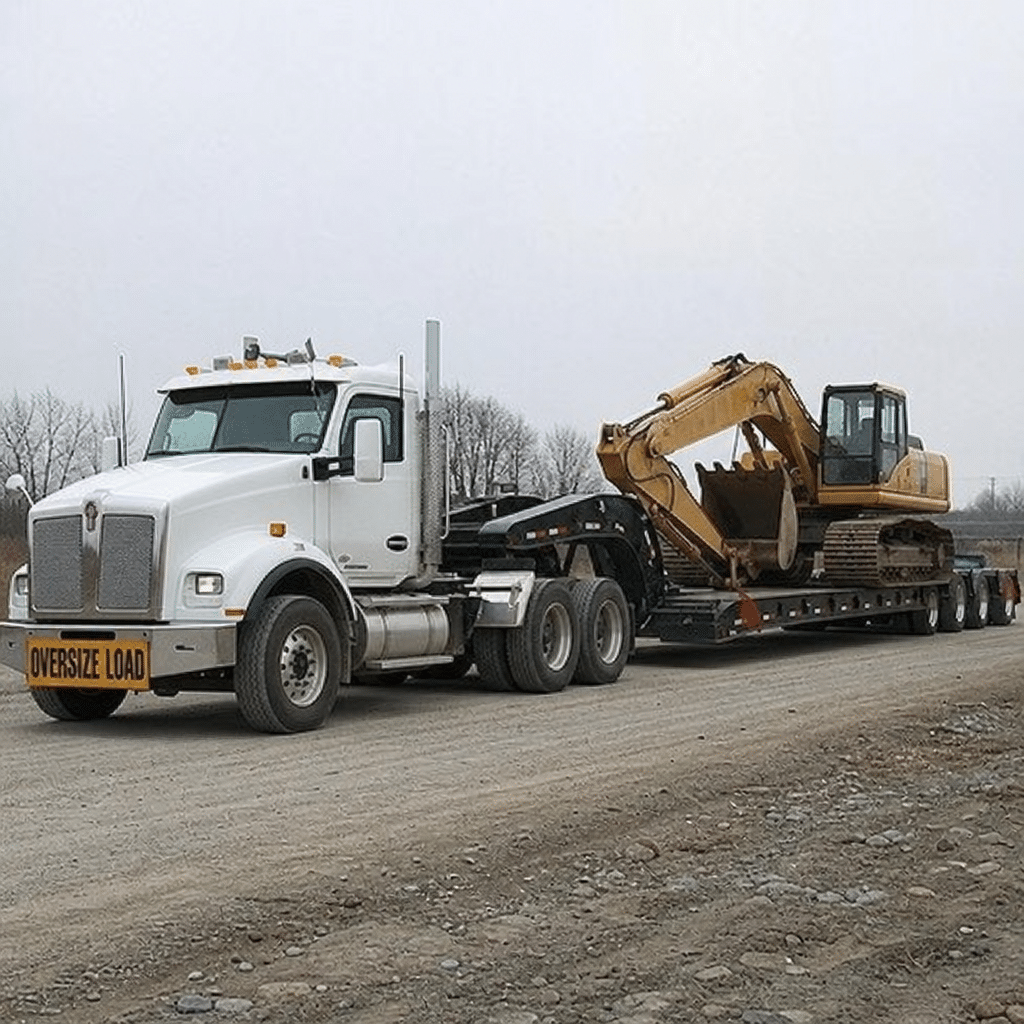
What makes a lowboy gooseneck trailer useful?
A lowboy gooseneck trailer is useful because it combines a low deck profile with a secure gooseneck hitch design, giving operators more vertical clearance, better load stability, and easier equipment transport. The “lowboy” design places the main deck closer to the ground, while the gooseneck connection helps distribute weight more effectively than many bumper-pull setups. For businesses that regularly move heavy machinery, this combination can reduce loading challenges and improve confidence on the road.
The main advantage is simple: the trailer is designed around difficult loads. Tall machinery, tracked equipment, compactors, lifts, and other heavy assets can be awkward or unsafe on the wrong trailer. A gooseneck lowboy gives the operator a platform that is lower, stronger, and better suited to loads that need careful height management.
Lower deck height creates better clearance
One of the biggest reasons buyers consider a lowboy gooseneck trailer for sale is the lower deck height. When equipment sits closer to the ground, the overall loaded height is reduced. That matters when planning routes with bridges, overpasses, utility lines, tree cover, or jobsite entrances.
A standard flatbed may work well for many cargo types, but it can make tall equipment ride too high. A lowboy trailer helps solve that problem by dropping the main load area between the front gooseneck and the rear axles. This design can make the difference between a load that is practical to move and one that becomes complicated by height concerns.
Lower deck height also improves the loading angle. Equipment can often be driven or positioned with less steepness compared with higher-deck trailer types. That is especially helpful for machines with low ground clearance, long wheelbases, or tracks that need a steady approach.
The gooseneck connection improves towing confidence
A gooseneck trailer connects over or near the truck bed instead of behind the rear bumper. This placement helps position the trailer’s tongue weight more centrally over the tow vehicle, which can improve handling compared with some rear-mounted hitch arrangements. For heavy haul trailer applications, that extra sense of control matters.
The gooseneck design is also valued for maneuverability. Operators often find that a gooseneck lowboy can track well through yards, equipment lots, and jobsites when matched with the right truck. While every setup depends on trailer size, weight rating, load balance, and driver skill, the hitch style is a major reason gooseneck configurations remain popular for demanding work.
This is where the gooseneck lowboy trailer stands apart from lighter-duty utility or flatbed options. It is not just about carrying weight; it is about carrying weight with a setup designed for stability, turning control, and repeat use.
Key advantages at a glance
A lowboy gooseneck trailer can offer several practical benefits for owners and operators:
- More vertical clearance: The low deck helps reduce overall loaded height for tall equipment.
- Improved stability: A lower center of gravity can help the load feel more settled when properly secured.
- Heavy equipment compatibility: The design is well suited for machinery, vehicles, attachments, and industrial loads.
- Better load angles: A lower deck can make loading and unloading easier for certain machines.
- Strong towing connection: The gooseneck hitch style supports controlled hauling when paired with the right truck.
- Jobsite versatility: Lowboys are commonly used in construction, farming, excavation, and equipment transport.
- Long-term utility: A properly selected trailer can serve many hauling needs across different projects.
These advantages are strongest when the trailer is matched to the actual load requirements. Capacity, deck length, axle setup, ramp or neck style, tire condition, and legal requirements all matter.
How does a removable gooseneck trailer help with loading?
A removable gooseneck trailer helps with loading by allowing the front neck section to detach, creating a path for equipment to be loaded from the front of the trailer. This can be especially useful for heavy machinery that is safer or easier to drive onto the deck rather than lifted by crane or loaded from a steep rear angle. If you are searching for a removable gooseneck trailer for sale, this loading advantage is usually one of the main reasons to consider one.
Removable gooseneck, often called RGN, designs are common in heavy equipment transport because they can create a more practical approach angle. Once the neck is detached, the front of the deck can sit low enough for compatible equipment to move onto the trailer. After loading, the gooseneck reconnects for transport.
This design can reduce dependence on loading docks, ramps, or additional handling equipment in some situations. It also gives operators more flexibility when moving equipment between yards, auctions, jobsites, farms, and industrial locations.
If you want to browse RGN trailer options, you can visit: https://interstate365.com/product-category/trailers/rgn-trailers/
Lowboy trailers are built for demanding equipment moves
A lowboy trailer is often chosen when the cargo is too tall, too heavy, or too awkward for a standard deck trailer. Common examples include dozers, excavators, loaders, forklifts, paving equipment, crushers, agricultural machinery, and large attachments. The low deck supports the practical realities of heavy hauling: weight, balance, route planning, and securement.
This does not mean every business needs the largest or most advanced heavy haul trailer available. The right choice depends on what you haul most often. A contractor moving compact equipment may need a different setup than a company transporting oversized industrial machinery. A farm operation may prioritize versatility, while an equipment dealer may focus on easy loading and repeat transport.
The advantage of a gooseneck lowboy is that it can cover many of these use cases when properly specified. It gives operators a platform designed for machinery rather than forcing machinery onto a trailer better suited for pallets, lumber, pipe, or general freight.
Comparing common trailer types
Choosing between trailer types becomes easier when you focus on load height, weight, loading method, and towing setup. No single trailer is best for every job, but each style has a clear purpose.
| Trailer type | Best suited for | Main consideration |
|---|---|---|
| Lowboy gooseneck trailer | Tall or heavy equipment | Lower deck and stable gooseneck connection |
| Removable gooseneck trailer | Heavy machinery that benefits from front loading | Easier equipment access and flexible loading |
| Flatbed trailer | General freight, materials, and equipment | Higher deck may limit tall loads |
| Step deck trailer | Loads needing more height clearance than a flatbed | Not always as low as a true lowboy |
| Utility or bumper-pull trailer | Light equipment and smaller cargo | Limited capacity for heavy-duty hauling |
A used flat bed trailer for sale may be a smart option if your loads are general, low-profile, and easy to secure. But when height and heavy machinery become regular concerns, a lowboy gooseneck trailer may be the more practical investment. The important point is to match the trailer to the work, not just the purchase price.
What should you check before buying a gooseneck lowboy?
Before buying a gooseneck lowboy, check the trailer’s rated capacity, deck dimensions, axle configuration, neck style, brakes, tires, frame condition, and compatibility with your tow vehicle. You should also think about the equipment you haul most often, the routes you travel, and the way your crew loads and unloads. A lowboy gooseneck trailer for sale may look like a good fit at first glance, but details determine whether it will perform safely and conveniently.
Use this checklist when comparing options:
- Load requirements: Know the weight, height, width, and length of your typical equipment.
- Deck layout: Confirm the well length, deck height, and usable loading area.
- Gooseneck style: Decide whether fixed, hydraulic, mechanical, or removable gooseneck features make sense for your work.
- Axles and suspension: Make sure the configuration supports your hauling demands.
- Braking system: Inspect brake condition and confirm it suits the trailer’s intended use.
- Tires and wheels: Look for uneven wear, age, damage, and proper load ratings.
- Frame and welds: Check for cracks, corrosion, repairs, or signs of overloading.
- Ramps or loading features: Confirm the loading method matches your equipment.
- Securement points: Look for tie-down locations that support safe load control.
- Legal fit: Consider permits, weight limits, and route restrictions for your area.
For used trailers, condition matters as much as specifications. A well-maintained used trailer can be valuable, while a neglected one can create repair costs and downtime.
The right trailer can improve daily operations
The benefits of a lowboy gooseneck trailer are not limited to the road. On busy jobsites, yards, and farms, loading efficiency can affect the entire workday. If equipment takes too long to move, crews wait, schedules slip, and trucks sit underused.
A trailer that fits the equipment can make moves more predictable. Operators know the loading approach, securement routine, and clearance considerations before they start. That consistency helps reduce frustration and supports safer habits.
For companies that haul often, the right trailer for hauling becomes part of the workflow. It can support faster mobilization, more flexible scheduling, and better use of owned equipment. Even for occasional users, choosing the correct trailer can prevent the headaches that come from forcing a difficult load onto the wrong platform.
Buying new or used depends on your priorities
When comparing new and used options, start with how often the trailer will be used and how critical it is to your operation. A new trailer may appeal to buyers who want specific features, current components, and fewer unknowns. A used option may make sense when the trailer is in good condition and fits the job without requiring major repairs or modifications.
Searches for a removable gooseneck trailer for sale, lowboy gooseneck trailer for sale, or used flat bed trailer for sale can bring up many possibilities, but not all listings are equal. Look beyond the headline. Ask for clear photos, maintenance details when available, specifications, and any information about prior use.
It is also worth thinking about future jobs. Buying only for today’s smallest load may limit you later, while buying far more trailer than you need can increase cost and complexity. The best choice is usually the one that fits your regular work with enough flexibility for realistic growth.
Final takeaway
A lowboy gooseneck trailer is a strong choice when you need a stable, practical, and equipment-friendly hauling solution. Its low deck helps manage height, its gooseneck connection supports confident towing, and removable gooseneck options can make heavy machinery easier to load.
If your work involves construction equipment, farm machinery, industrial assets, or frequent heavy moves, the right gooseneck lowboy can be more than a trailer. It can become a dependable part of your operation, helping you move the right equipment to the right place with fewer loading and clearance challenges.


