Blog

What should I consider when choosing an RGN trailer for long-haul freight and heavy loads?

  • All Posts
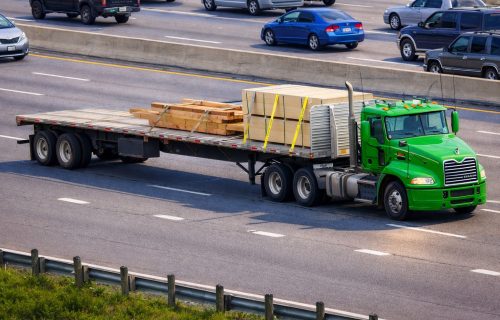
green semi truck flatbed lumber highway vivid light

Buying a flatbed goes beyond a price decision. It is a safety decision and a profit decision. A good trailer helps you haul heavy loads with fewer breakdowns and less downtime. A bad trailer can hide costly repairs, failed brake systems, and frame-strength issues that surface after the deal closes.

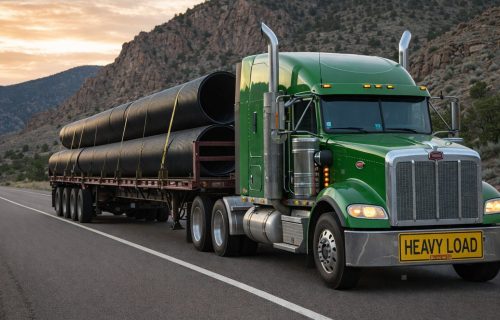
Green heavy-duty semi truck hauling large steel pipes on a flatbed trailer through a mountain highway at sunset, illustrating heavy haul and oversized freight transportation.

If you move freight that won’t fit in a box trailer, you’re likely using flatbeds. Flatbed trailers speed loading, offer flexible angles, and handle odd-shaped cargo. This guide explains the main flatbed types, important specs, and the best uses for each. What makes a flatbed trailer different A standard flatbed

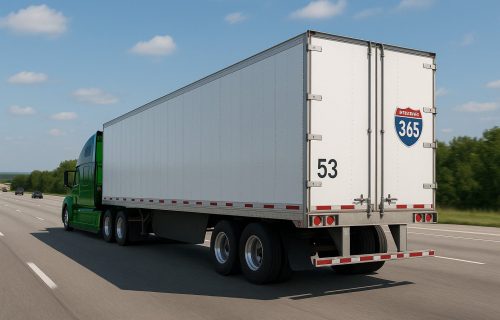
Green semi truck pulling a white 53 foot dry van trailer on a modern US highway with INTERSTATE 365 branding, rear three-quarter view showing the large 53 marking.

If you drive on any US highway, you notice the same number again and again on trailer doors: 53. That number shows the trailer length in feet for most long-haul trailers. This size did not appear by chance. Fleets, shippers, builders, and lawmakers all helped push the market toward the

Black female flatbed owner operator in a green T-shirt, smiling in the truck cab while holding a coffee cup and U.S. dollar bills.

Flatbed work attracts drivers who like variety, problem-solving, and being hands-on. You do more than haul freight from A to B. You read the load, choose the right securement, protect the cargo, and think ahead about weather, routes, and timing. If you are exploring flatbed as your next step, this

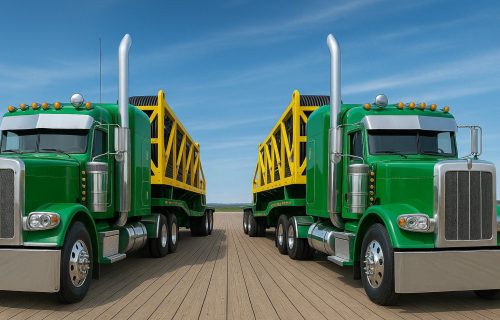
Two green semi-trucks hauling yellow cable reels on flatbed trailers, parked side by side on a wooden deck under a blue sky.

Choosing trailer length affects your rates, fuel, and driver stress. This guide gives a clear, numbers-first way to decide between a 48 and a 53 for lanes in the United States. We’ll touch on dry van, flatbed trailer, and step deck trailer use cases so you can match trailer length

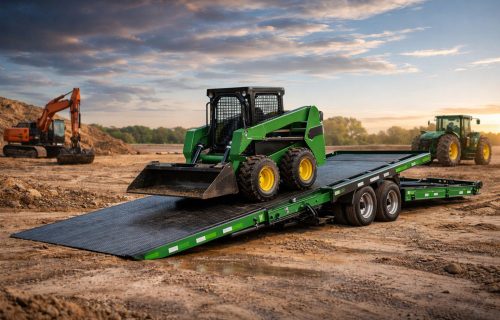
Step deck trailer 2 axles

If you’ve ever stood in a yard staring at two shiny step decks, one aluminum step deck trailer, one steel, and thought, “Which one makes me more money over time?”, this article is for you. Let’s follow Mike for a minute. Mike’s owner-operator hauls machinery and building materials across mixed

Convert Your Step Deck or Flatbed into a Conestoga

Truckers often ask how they can expand their hauling capacity without buying a completely new trailer. A standard flatbed or step deck trailer works well for many types of freight, but when loads require full weather protection, tarping by hand becomes time-consuming and increases wear and tear on both equipment

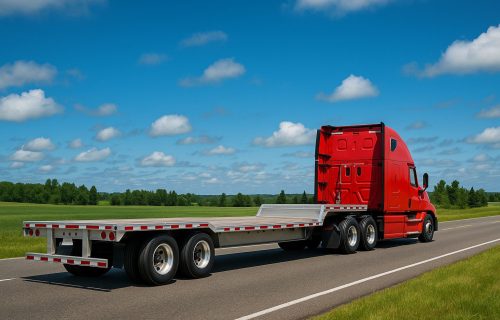
2 axle aluminum flatbed trailer in dessert

Aluminum trailers help you haul more, spend less, and avoid corrosion problems that eat budgets. If you plan for years of service, you want a trailer that holds value and stays on the road. Aluminum trailers deliver that mix of strength, efficiency, and low upkeep. More payload and better fuel

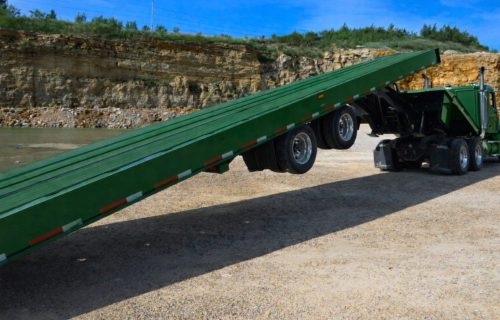
green dump trailer

A dump trailer compresses labor, shortens cycle times, and raises throughput on small and mid-scale hauling work. Crews load fast, travel safely, and tip the bed in seconds. You move demolition debris, roofing tear-offs, mulch, soil, aggregate, scrap, and farm material without tying up a full dump truck. If your

Load More

End of Content.