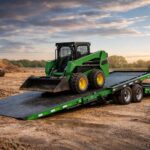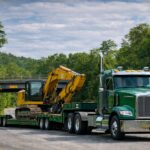
A sliding axle trailer gives drivers and equipment operators an easy way to load and move heavy machines. It avoids the need for steep ramps. If you work in construction, agriculture, paving, or equipment transport, you have probably seen one on the road or at a job site.
These trailers solve a simple but important problem. They make loading easier, safer, and faster for machines that do not handle steep angles well.
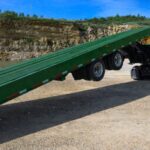
At first glance, a sliding axle trailer may look similar to other equipment trailers. The difference shows up during loading. The trailer deck can slide backward, lowering the rear loading angle and creating a gentler path for equipment to drive onto the deck. That feature cuts down on time and lowers stress for both the operator and the machine.
What Is a Sliding Axle Trailer?
A sliding axle trailer is a type of trailer designed for hauling equipment, vehicles, and machinery. Its deck moves in a way that allows the axle position and deck angle to help with easier loading. Instead of using long ramps, the trailer itself changes position to bring the deck closer to the ground.
This design helps when loading machines with low ground clearance, rubber tires, steel tracks, or sensitive undercarriages. A sliding axle setup often works well for forklifts, skid steers, small excavators, rollers, tractors, scissor lifts, and similar equipment.
Because the loading angle is lower than on many traditional trailers, operators can reduce the risk of scraping. They can also avoid bottoming out. This lowers stress during loading.
Why a Sliding Axle Matters
Not every job requires the same type of trailer. Some machines fit perfectly on a standard flatbed with ramps. Others do not. That is where a sliding axle trailer becomes valuable.
A lower loading angle can help in several ways:
- It makes loading easier for machines with low clearance.
- It reduces the risk of equipment damage.
- It supports quicker loading and unloading on busy job sites.
- It improves confidence for operators who need a easier transition from ground to deck.
For many buyers, convenience matters just as much as payload. A trailer that loads equipment quickly can improve daily productivity and reduce frustration.
Common Uses for a Sliding Axle Trailer
Many industries use this trailer style because it handles real-world hauling problems well. Contractors often need to move machines from one site to another without wasting time. Farmers may need to transport tractors or utility vehicles. Rental companies also benefit from trailers that make equipment pickup and delivery simple.
A sliding axle trailer frequently serves these jobs:
- Transporting compact construction equipment
- Moving paving and road maintenance machinery
- Hauling agricultural equipment
- Loading low-clearance vehicles
- Supporting equipment rental deliveries
The trailer’s flexibility makes it appealing to owner-operators, fleets, and small businesses that want a dependable equipment hauler.
How Overall Length Affects Performance
When choosing a trailer, buyers often focus on weight capacity first. That makes sense, but overall length matters too. Trailer length affects maneuverability, load placement, balance, and legal compliance.
A shorter trailer may turn more easily in tighter spaces, which helps in urban areas or crowded yards. A longer trailer can carry larger machines or allow better spacing between equipment. Still, extra length can make parking, backing, and route planning more difficult.
You must match the overall length of the trailer to the equipment you haul most often. If your machine barely fits, loading can become awkward and unsafe. If the trailer feels much larger than necessary, you may lose efficiency during daily operations.
That is why smart buyers look at the full picture. Payload, deck space, equipment dimensions, and route conditions all matter.
What is a sliding axle trailer used for?
A sliding axle trailer is used to haul heavy equipment, vehicles, and machinery that need a low loading angle. It helps operators load machines more easily than a standard ramp trailer. The deck slides to provide smoother access.
Many businesses use a sliding axle trailer for skid steers, forklifts, small excavators, tractors, and similar equipment. This type of trailer makes loading and unloading easier.
Key Benefits for Buyers
A trailer purchase is a business decision, not just a transportation choice. The right trailer can improve uptime, reduce loading trouble, and support safer operation.
One major benefit is ease of use. Operators often prefer equipment that feels simple and predictable. A sliding axle trailer offers that kind of practical value. The loading process feels more controlled, especially when the machine has limited clearance.
Another benefit is versatility. One trailer may accommodate several machine types, which can reduce the requirement for specialized hauling equipment. That flexibility matters for businesses with changing job requirements.
Durability also plays a major role. Buyers want trailers that can handle repeated loading cycles, job site conditions, and long road miles. A strong frame, quality suspension, and dependable deck design all add to long-term value.
What to Consider Before Buying
Before you choose a sliding axle trailer, think about how you will use it every week, not just once in a while. Start with the equipment itself. Measure the machine carefully, including width, height, and length. Check the loaded weight too.
Then think about your routes. Will you drive mostly on highways, rural roads, or mixed terrain? Will you load on flat surfaces, gravel lots, or uneven job sites? These details help determine which trailer will work best for you.
You should also review:
- Weight capacity
- Deck size
- Overall length
- Loading angle
- Axle configuration
- Brake system
- Tie-down points
- Build quality
A trailer may look great on paper, but daily performance matters more than sales language.
Final Thoughts
A sliding axle trailer offers a smart solution for hauling equipment that requires smoother loading and dependable transport. It integrates convenience, safety, and usefulness in a way that fits many industries. If your work involves moving compact or medium-duty machinery, this trailer style deserves serious attention.
The best choice depends on the machines you move, the roads you travel, and the jobs you handle every day. When comparing options, do not focus solely on capacity. Look closely at overall length, deck usability, and loading practicality. A carefully selected sliding axle trailer can make hauling your equipment easier, faster, and more profitable.