

When you haul heavy, tall, long, or just plain awkward freight, you need equipment built for actual abuse and real-world deadlines. XL Specialized Trailers designers make trailers for carriers and owner-operators.
These trailers offer specialized hauling without needing custom engineering for every load. These are specialized trailers designed for demanding industries such as construction, energy, and heavy equipment. In these fields, stability, deck height, and load control are just as important as capacity.
If you are comparing options, think about XL trailers. They are a good choice when you need flexibility for different load types. They also have designs that keep freight legal, secure, and easy to load and unload.
Many fleets pick XL Specialized Trailers. Their lineup meets daily heavy haul needs and special moves that need a custom setup. This is a special XL solution for operators. It helps them take on more loads and turn down fewer.
The biggest value of XL trailers lies in control and versatility. You can choose from different deck styles, neck options, axle layouts, and extendable configurations. This helps you match the trailer to the load. You won’t have to force the load to fit the trailer.
Common reasons operators choose XL Specialized Trailers include:
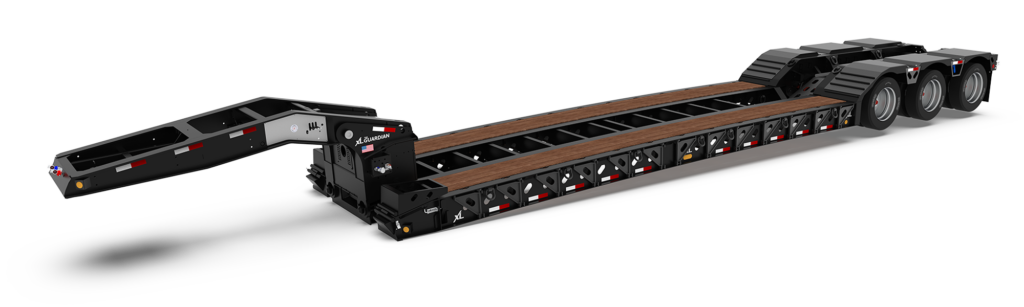
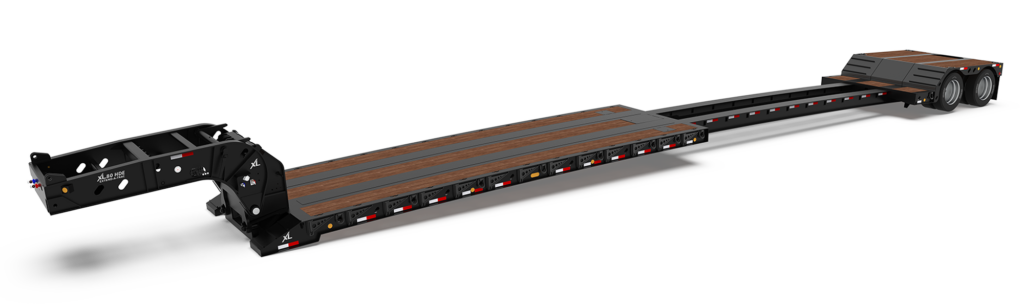
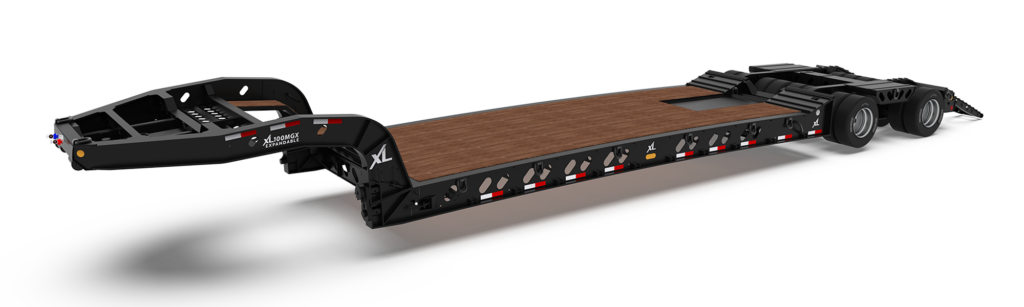
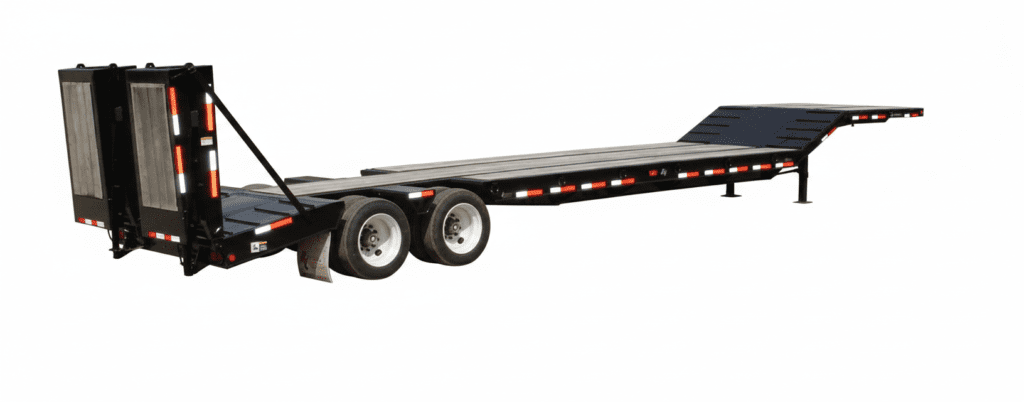
Drop deck trailers lower the main deck height behind the neck, giving you more clearance for taller equipment and freight. They help keep loads stable and reduce height issues compared to flat decks. This category applies to machinery, construction materials, and equipment that require a lower ride while maintaining versatile loading options.
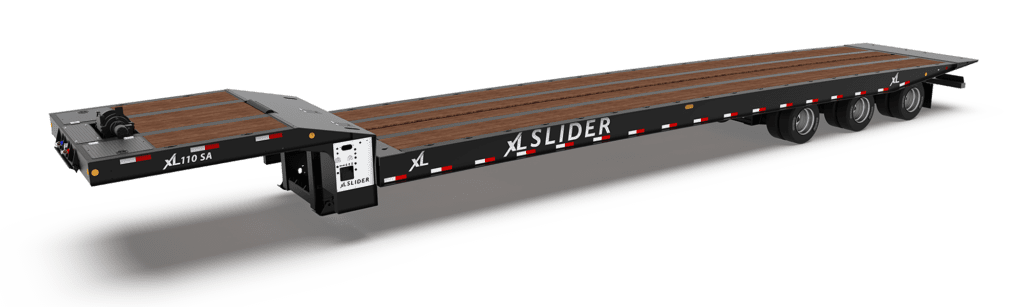
Sliding-axle trailers allow you to adjust the axle group to fine-tune weight distribution. That helps you stay legal across different loads, especially when weight centers vary. You can adapt to changing cargo without reloading. This type fits operators who haul mixed equipment or materials and regularly adjust for scale compliance.
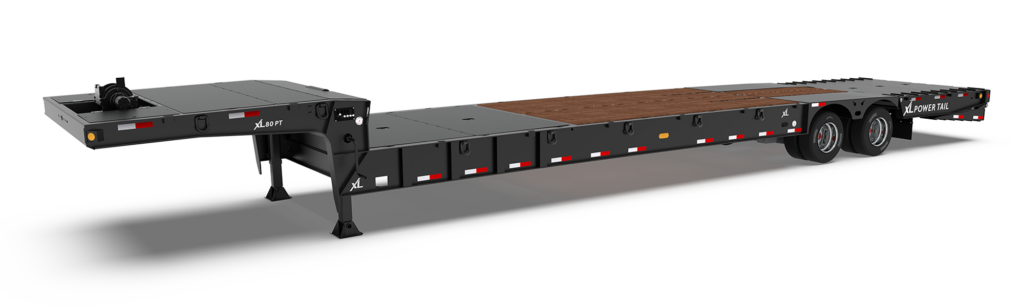
Hydraulic tail trailers use a powered rear section that lowers to create a smoother loading angle. This helps with equipment that sits low or loads that need careful control. It improves loading safety, reduces ramp handling, and speeds up jobsite work. It fits frequent equipment moves where fast, controlled loading matters.
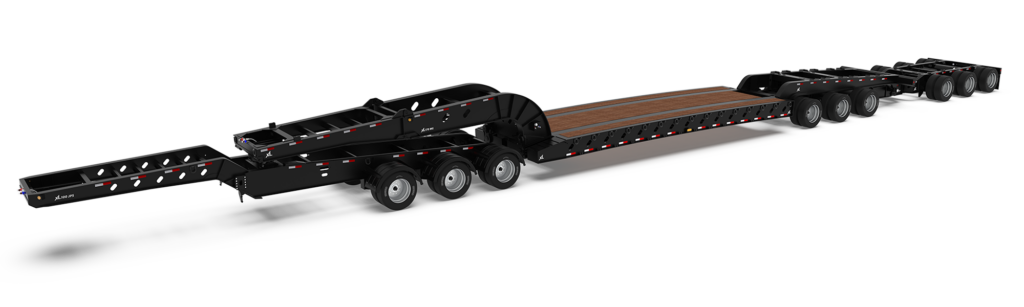
Multi-axle trailers add axles to spread weight and increase legal payload capability. They work with extremely heavy machinery, industrial components, and specialized freight that pushes standard limits. More axles can improve stability and handling, especially under high gross weights. This category often pairs with heavy haul permits and route planning.
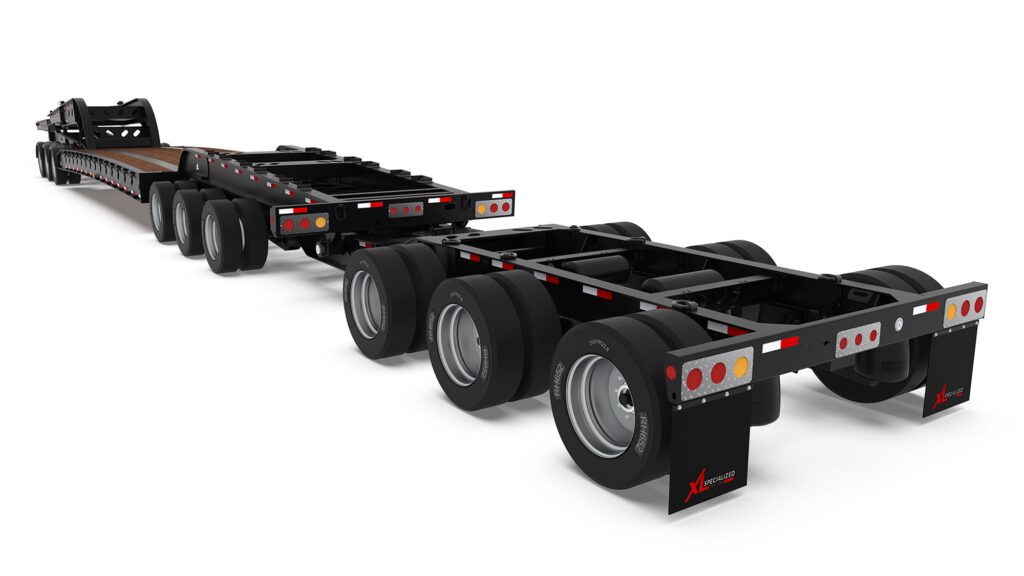
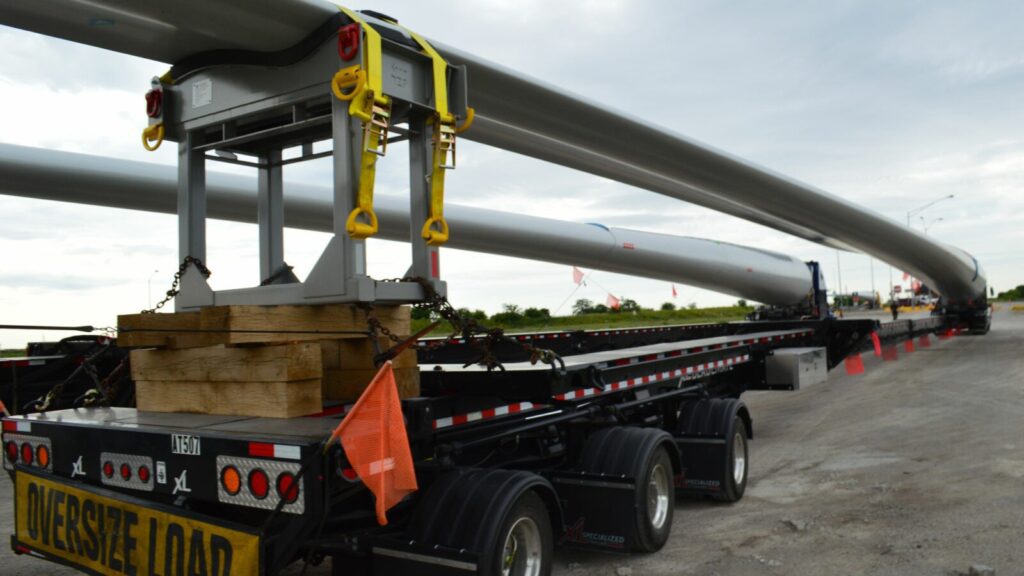
Wind turbine trailers transport exceptionally long or specialized wind components like blades and tower sections. They focus on stability, steering control, and secure support points for unusual shapes. These trailers support complex logistics, wide turns, and permit-driven routes. They fit energy projects where load length and handling precision drive every decision.
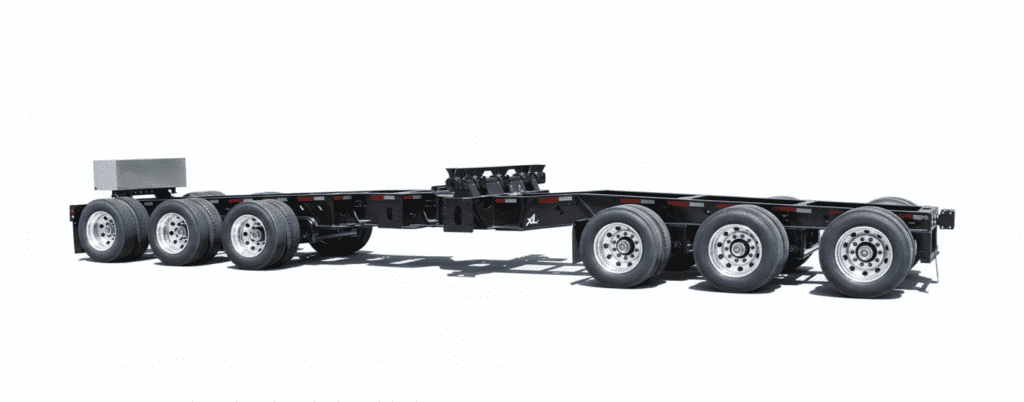
Dolly trailers serve as support units that add axles, steering, or connection flexibility to a heavy-haul combination. They help distribute weight, improve maneuverability, and support long or heavy configurations. Dollies often use specialized trailer configurations when a single trailer cannot meet legal axle limits or turning requirements.
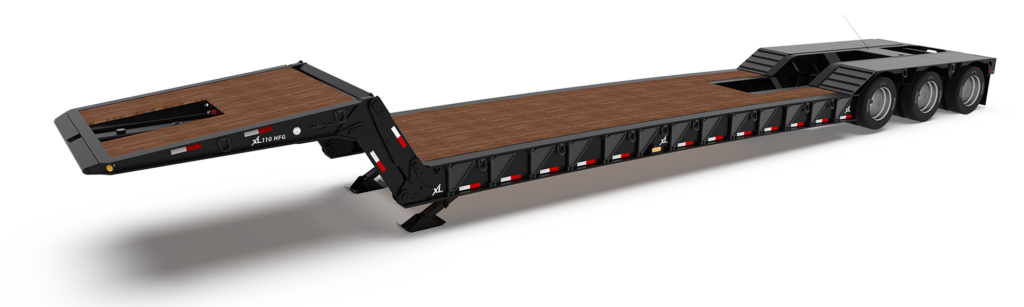
Folding gooseneck trailers use a neck that folds to create a drive-on loading approach without fully removing the neck. This design can speed up setup and improve convenience on repeated loads. It suits equipment hauling, offering easier loading, solid deck access, and a configuration that stays quick and practical.
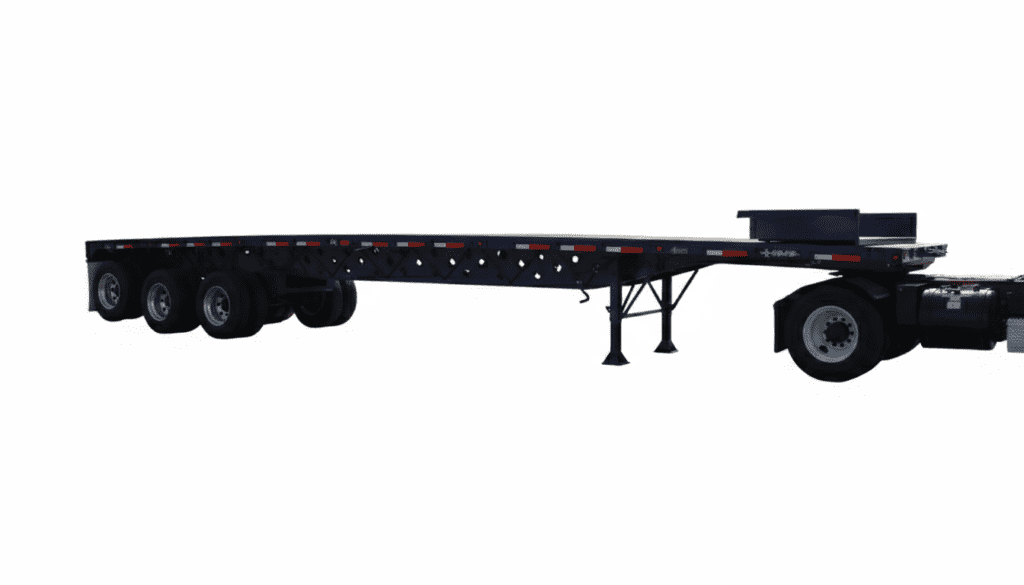
Flat deck trailers provide a straight, open platform for freight that does not need a lowered deck. They work well for steel, lumber, containers, equipment, and palletized loads. The open deck makes crane and forklift loading easy, and securement options stay flexible. This type is well-suited to general heavy hauling and offers broad versatility.
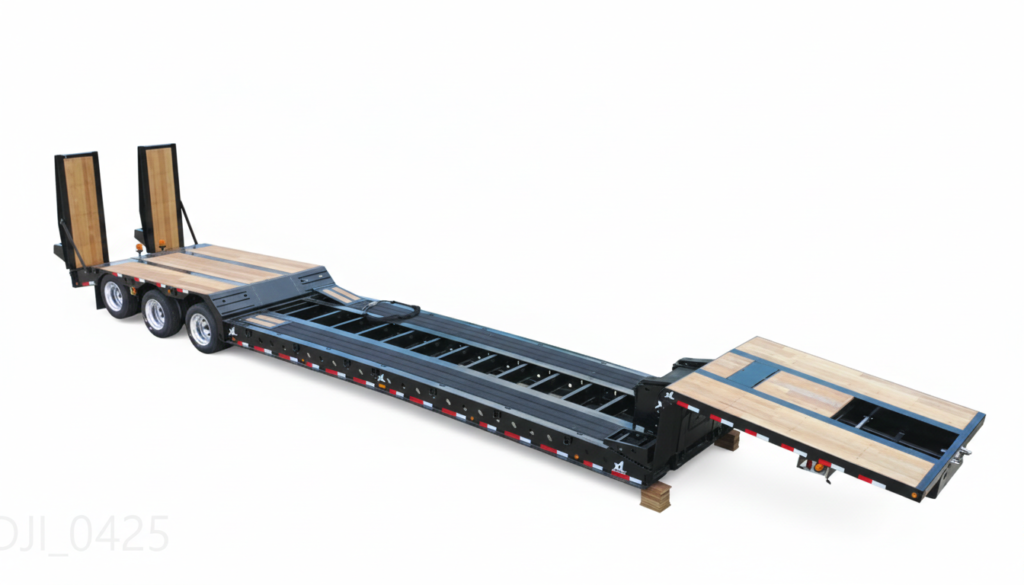
Custom trailers are purpose-built for unique freight, job-site constraints, or specialized industries. They can combine features such as specialized deck layouts, axle configurations, securement systems, and clearance solutions. Choose custom when standard categories cannot match your cargo, routes, or operational workflow. It helps you haul niche loads efficiently and safely.
Start with the load, then build the trailer around it.
If your freight changes every week, XL trailers can be a good option. They are better than a one-purpose trailer and more flexible than a generic platform.
Tell us what you haul, where you run, and what problems you want to solve. We will help you find the best configuration and trailer type from XL Specialized Trailers. Whether you need a daily heavy-haul trailer or a special option for extreme loads, we can assist you.