

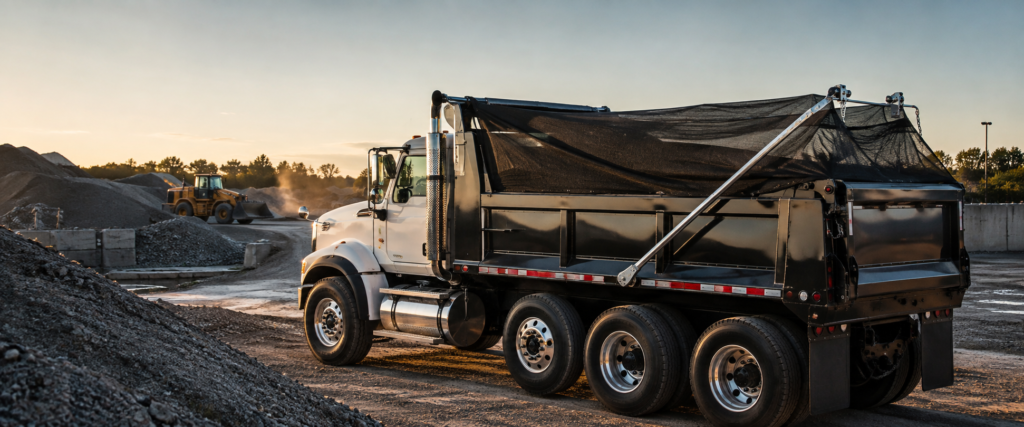
A reliable tarp system helps dump truck operators protect loads, improve jobsite safety, and stay more efficient on the road. Whether you haul gravel, mulch, demolition debris, sand, or agricultural material, the right dump truck tarp keeps cargo contained and helps reduce the daily hassle of covering a truck bed by hand. This article explains how a tarp system works, why it matters, and what to consider before choosing one.
Why does a dump truck need a tarp system?
A dump truck needs a tarp system because loose material can shift, blow out, or spill during transport, creating hazards for nearby drivers and added cleanup for the operator. A well-fitted dump truck cover keeps the load contained from the jobsite to the destination while also protecting the material from wind, rain, and road exposure. Just as important, it gives drivers a faster, safer way to cover loads without climbing around the truck bed more than necessary.
For busy hauling operations, tarping is not a small detail. It affects route readiness, driver workflow, material quality, and how professional your equipment looks when it arrives at a customer site. A dependable tarp system for dump truck use turns a repetitive task into a simple part of the hauling routine.

Tarp systems protect loads and people
The most obvious benefit of a tarp system is load containment. Dump trucks often carry loose, lightweight, or uneven material that can move quickly once the truck reaches road speed. A properly tensioned truck bed tarp helps keep that material inside the bed instead of scattering across the road.
That protection matters for more than the cargo. Flying stones, soil, wood chips, or construction debris can damage vehicles, distract drivers, or create dangerous road conditions. Even small material loss can become a serious issue when it happens repeatedly across a route.
A heavy-duty tarp also helps shield the load from weather. If you are hauling mulch, topsoil, asphalt, grain, or similar materials, excess moisture or wind exposure can affect delivery quality. Covering the load helps preserve the condition of what you are transporting and reduces the risk of customer complaints caused by avoidable exposure.
Daily efficiency improves with the right setup
Truck tarping should be quick, consistent, and easy to repeat. When drivers have to fight with worn tarps, loose hardware, or awkward manual systems, every stop takes longer than it should. Those small delays add up across multiple loads, trucks, and workdays.
A good tarp system makes the covering process more predictable. Drivers can secure the load before leaving the site and uncover it when dumping with less strain and fewer steps. That can help crews stay on schedule, especially in industries where turnaround time directly affects productivity.
An electric tarp system for dump truck applications can be especially useful for fleets that prioritize speed and convenience. With an electric system, the operator can cover or uncover the load using a switch or remote-style control, depending on the setup. This reduces manual effort and helps make tarping a more consistent habit rather than a skipped step when crews are rushed.
Manual and electric tarp systems both have a place
Not every truck needs the same equipment. A manual tarp system may be a practical choice for occasional hauling, smaller trucks, or operators who want a simple setup with fewer powered components. These systems can be durable and effective when matched correctly to the truck and load type.
Electric systems are often preferred when the truck is used heavily or when the driver needs to cover loads many times per day. They reduce physical effort and can speed up the process, especially in poor weather or on busy job sites. For fleets, consistent electric tarping may also support better standard operating procedures.
When comparing options, think about:
- Load type: Gravel, mulch, brush, debris, and sand can each require different tarp material and coverage.
- Truck size: Bed length, width, cab shield shape, and side height all affect fit.
- Frequency of use: Daily hauling may justify a more robust or powered system.
- Driver workflow: The best system is one your team will use correctly every time.
- Maintenance needs: Motors, arms, springs, mesh, and hardware should be easy to inspect and service.
If you are unsure where to start, browsing purpose-built dump truck tarps can help you compare common materials, styles, and coverage options before choosing a complete system.
What makes a tarp system durable?
A tarp system is durable when the tarp material, frame, arms, hardware, and mounting points are all suited to the truck’s daily work. Durability isn’t just about choosing the thickest tarp; it is about matching the entire system to the load, weather, and frequency of use. A system that fits properly and operates smoothly will usually perform better over time than one that is oversized, underspecified, or poorly aligned.
The tarp itself is a major factor. Mesh tarps are common for materials that need airflow and basic containment, while vinyl or other solid options may be better when water resistance is important. A heavy-duty tarp should resist tearing, fraying, and abrasion, but it should also roll and unroll smoothly without putting unnecessary stress on the arms or roller.
The hardware matters just as much. Arms, springs, pivots, brackets, and fasteners take repeated stress every time the tarp is deployed. Quality components help the system stay aligned and reduce the chance of uneven tension, binding, or premature wear. The right tarp accessories can also improve performance by replacing worn parts, adding secure tie-down points, or helping the system adapt to specific truck configurations.
Better safety starts with fewer risky steps
One of the biggest practical benefits of a tarp system is reducing unnecessary climbing. Without a reliable system, drivers may be tempted to climb onto tires, bumpers, ladders, or the truck body to pull a tarp into place. That creates avoidable risk, especially in mud, rain, snow, or low-light conditions.
A properly installed tarp system keeps the operator’s work closer to ground level or cab level, depending on the design. Electric systems can reduce that effort even further by allowing the driver to cover the load without manually dragging fabric across uneven material. The result is a more controlled process that supports safer habits.
Safety also improves when the load is covered consistently. A truck that leaves a site uncovered can drop debris onto public roads, creating risks for other drivers and pedestrians. A smooth tarping routine helps make containment part of the normal departure checklist rather than an afterthought.
Tarp installation affects performance
Even the best tarp will disappoint if it is poorly installed. Correct tarp installation helps the system roll evenly, maintain tension, and cover the load area as intended. If the roller is misaligned, the arms are mounted incorrectly, or the tarp is the wrong size, the system may bind, sag, or wear out faster than expected.
Professional installation can be valuable when the truck has a custom body, unusual dimensions, or heavy daily use. The installer can confirm mounting locations, check clearances, and make sure the tarp operates without interfering with other truck components. This is especially important on electric systems, where wiring, switches, motors, and protective routing all need careful attention.
Before installation, it helps to gather basic details:
- Measure the truck bed length and width accurately.
- Identify the material you haul most often.
- Note whether you need mesh, solid, or specialty tarp material.
- Check whether the cab shield, sideboards, or tailgate affect coverage.
- Decide whether manual or electric operation fits your workflow.
- Inspect existing mounting points and the condition of the hardware.
If your current system is worn, binding, or difficult to operate, scheduling tarp installation or replacement parts may be more cost-effective than continuing to patch recurring problems.
The right tarp system supports a more professional operation
Customers, contractors, and inspectors notice how you maintain equipment. A clean, properly covered load signals that your operation takes safety and material handling seriously. It also helps reduce mess around job sites, delivery areas, and roadways.
For owner-operators, that professional appearance can support trust. For fleet managers, consistent truck tarping can help standardize expectations across multiple drivers and vehicles. When the equipment is easy to use, it becomes easier to train new drivers and maintain consistent habits.
A good tarp system can also help protect the truck itself. By keeping material better contained, it may reduce buildup around body edges, hinges, and exterior surfaces. While normal wear is part of hauling, better containment can make cleanup more manageable and help crews spot maintenance issues sooner.
Choosing a system that fits your hauling work
The best tarp system fits your truck, your material, and your workday. A landscape company hauling mulch may need different coverage than a construction crew hauling broken concrete. A municipality handling seasonal debris may prioritize simple operation and dependable parts, while a high-volume aggregate hauler may focus on speed and heavy-duty components.
Use this checklist when comparing options:
- Coverage: The tarp should extend far enough to contain the load without excessive overhang.
- Material: Choose mesh or solid fabric based on airflow, weather protection, and debris size.
- Operation: Decide whether manual, semi-automatic, or electric control makes sense.
- Fit: Match the system to the bed dimensions and body style.
- Hardware quality: Look for durable arms, rollers, springs, and mounting brackets.
- Serviceability: Choose parts that can be inspected, repaired, and replaced without excessive downtime.
- Future needs: Consider whether the truck may haul different materials later.
Although this article focuses on dump trucks, related hauling equipment may need similar protection. If your operation also uses open trailers, explore flatbed trailer tarp options designed around different load shapes, tie-down methods, and coverage needs.
Maintenance keeps tarping dependable
Once a tarp system is installed, regular inspection is the key to long-term performance. Tarp fabric can wear from abrasion, weather, sharp debris, and repeated rolling. Hardware can loosen over time, especially on trucks that travel rough roads or work on active construction sites.
A simple maintenance habit can prevent many common issues. Drivers should look for frayed edges, small tears, bent arms, weak springs, loose bolts, and uneven rolling. Catching these problems early often makes repair easier and helps avoid being stuck with a system that fails during a busy day.
Cleanliness also helps. Dirt, gravel, and debris can collect around rollers and moving parts. Keeping those areas clear allows the system to move more smoothly and reduces strain on the tarp and hardware. If the system is electric, operators should also watch for slow movement, unusual sounds, or intermittent operation, as these can point to electrical or mechanical wear.
A practical upgrade for safer, cleaner hauling
A dependable tarp system for dump truck use is more than a convenience. It protects cargo, supports safer roads, reduces manual effort, and helps drivers keep loads covered as part of a normal routine. Whether you choose a manual setup or an electric tarp system for dump truck productivity, the most important step is selecting equipment that fits the truck and the work.
If your current dump truck tarp is difficult to use, visibly worn, or no longer covering the bed properly, it may be time to review your options. With the right truck bed tarp, dependable hardware, useful tarp accessories, and proper installation, your hauling operation can stay cleaner, safer, and more efficient load after load.