A tilt bed trailer makes loading and unloading smoother by letting the trailer deck angle toward the ground, rather than relying only on separate ramps. For drivers hauling cars, compact equipment, small machines, or general cargo, that simple trailer tilt can save time, reduce hassle, and create a more controlled loading experience. If you are comparing trailer styles or searching for a tilt bed trailer for sale, understanding the practical advantages can help you choose the right setup for your work, hobbies, or business.
What makes a tilt bed trailer different?
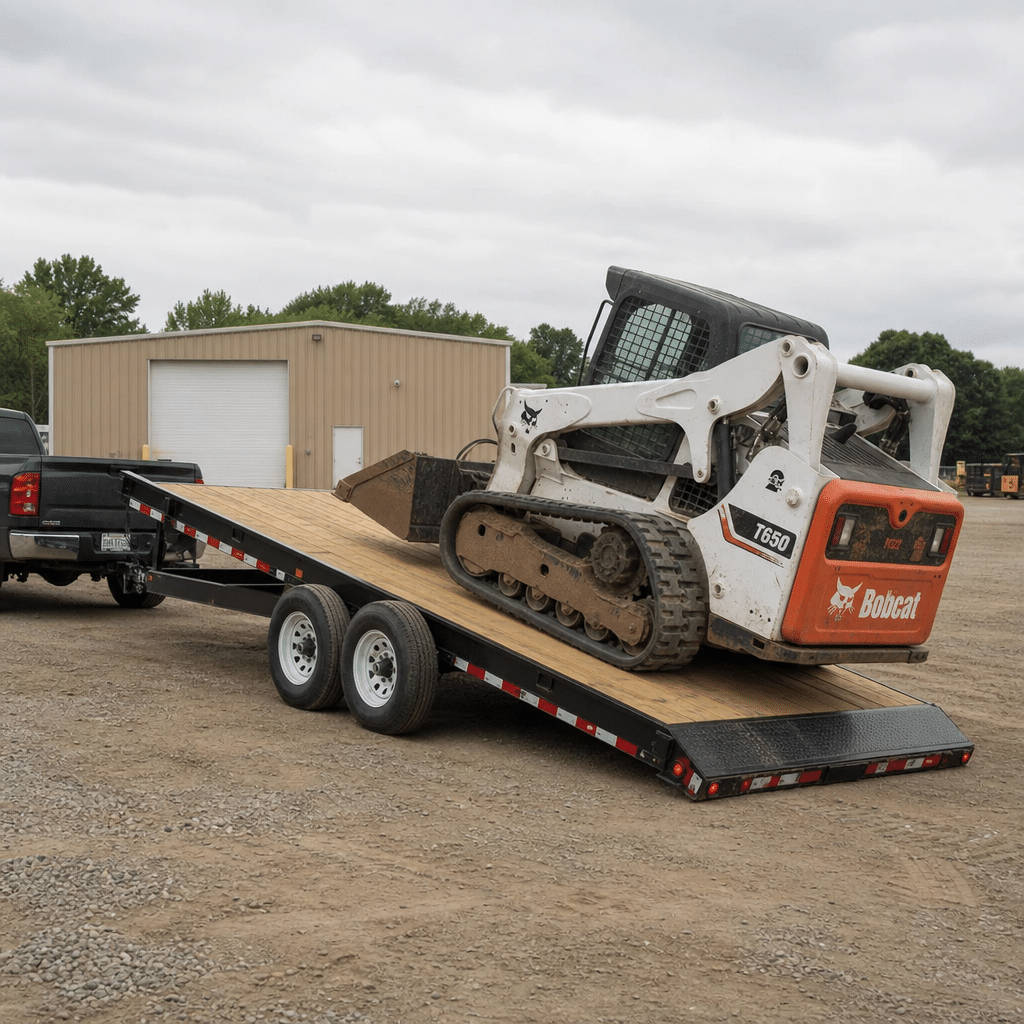
A tilt bed trailer has a deck that tilts so cargo can be driven, rolled, or winched onto the trailer at a lower approach angle. Instead of attaching, storing, and aligning long ramps every time you load, the bed trailer itself becomes the loading surface. This is especially useful when the cargo has low clearance, uneven weight distribution, or wheels that do not line up easily with traditional ramps.
The key advantage is simplicity. With a tilt deck trailer, loading usually involves releasing the deck, letting it tilt, moving the cargo into place, and securing the deck again before transport. The result is a cleaner workflow for people who load frequently or handle different types of cargo throughout the week.
A tilt trailer can also feel more forgiving than a ramp-only setup. Because the deck creates one broad loading surface, the operator is not limited to two narrow tracks. That can make a big difference when hauling cars, lawn equipment, utility vehicles, or smaller machines that need a stable path onto the trailer.
Easier loading with fewer loose parts
One of the biggest benefits of a tilt bed is that it reduces the need to wrestle with separate ramps. Anyone who has lifted heavy ramps, lined them up on uneven ground, or worried about whether they are properly seated understands the appeal. A tilt utility trailer keeps the loading surface built into the trailer, so there is less equipment to move, store, or misplace.
That convenience matters on busy days. If you are loading several vehicles or moving equipment between jobs, even small time savings can add up. It also reduces the physical strain of carrying ramps and positioning them repeatedly.
For many owners, this is where the trailer becomes more than just transportation. It becomes part of a smoother work system. Whether you are checking listings for a tilt bed trailer or comparing options locally, consider how often you load, how much help you usually have, and how much effort ramp handling adds to your routine.
A lower approach angle protects low-clearance cargo
A tilt bed car trailer is especially helpful when hauling vehicles with low front bumpers, long wheelbases, or limited ground clearance. Traditional ramps can create a sharp breakover point, which increases the risk of scraping the underside or front lip of the vehicle. A car tilt trailer gives you a more gradual loading angle, helping the vehicle transition onto the deck more smoothly.
This does not mean every tilt deck trailer has the same angle or works for every vehicle. Deck height, trailer length, tire size, and tilt design all affect how gentle the approach feels. Still, for many cars, small race vehicles, classic vehicles, and project builds, the tilt design is a major advantage over short, steep ramps.
The same idea applies to equipment. Mowers, scissor lifts, compact tractors, and similar machines may benefit from a wider, smoother path onto the deck. If the cargo is expensive, awkward, or sensitive to scraping, a tilt bed equipment trailer can offer added confidence during loading.
Better versatility for cars, equipment, and utility hauling
A tilt bed trailer is not limited to one type of load. Depending on the size, capacity, deck material, tie-down points, and axle setup, it may support a range of hauling needs. That versatility is one reason buyers compare tilt trailers when they want one trailer that can handle more than a single task.
Common uses include:
- Vehicle transport: A tilt bed car trailer can help load project cars, compact cars, small race cars, and non-running vehicles with a winch.
- Equipment hauling: A tilt bed equipment trailer can carry small machinery, landscaping equipment, compact tractors, or jobsite tools when properly rated.
- Utility work: A tilt utility trailer can move pallets, supplies, side-by-sides, small implements, and general property-maintenance cargo.
- Recreational hauling: Owners may use a tilt trailer for ATVs, UTVs, motorcycles, or weekend gear, depending on trailer configuration.
- Small business transport: Contractors, landscapers, mechanics, and property managers often value faster loading and fewer ramp-related delays.
The right fit depends on the load, not just the trailer style. A lightweight car tilt trailer may not be appropriate for heavy equipment, while a heavier tilt bed equipment trailer may be more trailer than a casual user needs. Matching the trailer to the real job is what makes the benefits pay off.
How does a tilt trailer improve safety and control?
A tilt trailer can improve control by giving cargo a broad, stable path onto the deck and reducing the need to handle heavy, loose ramps. The operator still needs to load carefully, use proper tie-downs, stay within weight ratings, and follow safe procedures, but the tilt function can remove several common friction points from the process. When loading feels more controlled, drivers are less likely to rush, improvise, or fight with awkward equipment.
Stability begins before the cargo ever moves. A deck that tilts correctly and returns securely to transport position helps create a predictable workflow. The user can focus on alignment, balance, and securement instead of constantly checking whether ramps shifted.
There is also a visibility benefit. With one continuous deck surface, it can be easier to see where the tires, tracks, or wheels are going. That is useful when loading alone, loading in tight spaces, or working with vehicles that require careful steering.
Safe hauling still depends on the basics:
- Confirm the trailer’s weight rating matches the cargo.
- Load on firm, level ground whenever possible.
- Keep bystanders clear during loading and unloading.
- Center the load and manage tongue weight correctly.
- Use rated straps, chains, binders, or wheel nets as appropriate.
- Check all tie-down points before driving.
- Recheck securement after the first short distance.
A tilt bed makes loading easier, but it does not replace good judgment. The best experience comes from pairing the right trailer with careful setup and consistent habits.
Less setup time can mean more productive days
Time savings are one of the quiet advantages of owning a tilt bed trailer. The benefit may not feel dramatic the first time you use it, but it becomes obvious when you load often. Without loose ramps to pull out, align, lift, pin, remove, and store, each loading cycle can feel cleaner and faster.
For commercial users, that can support a more efficient workday. A landscaping crew moving equipment between properties, a mechanic transporting vehicles, or a contractor hauling small machines may all benefit from fewer loading steps. Even private owners appreciate a trailer that is less frustrating when they only have a limited window to get a job done.
A tilt deck trailer can also make solo loading more practical. While some loads still require a spotter or extra help, eliminating ramp placement can reduce the number of tasks one person must manage at once. If you often work alone, that convenience may be one of the most important reasons to consider a tilt bed.
Features to consider before buying
If you are looking for a tilt bed trailer for sale, it is worth slowing down before choosing the first option that looks close enough. Tilt trailers vary widely, and the best choice depends on what you haul, how often you haul it, and where you use the trailer. A trailer that works beautifully for a compact car may not be the right fit for skid steer attachments, landscaping equipment, or heavier utility loads.
Use this checklist as a starting point:
- Deck length and width: Make sure the usable space fits your cargo with room for safe positioning and tie-down access.
- Weight capacity: Consider the trailer’s rated capacity, the weight of the trailer itself, and the actual weight of your cargo.
- Tilt style: Some trailers have a full tilting deck, while others combine a stationary front section with a tilt rear section.
- Approach angle: Lower-clearance cars and certain equipment may need a gentler loading angle.
- Deck material: Wood and steel decks each have practical advantages depending on maintenance preferences and cargo type.
- Tie-down options: D-rings, stake pockets, rub rails, and other anchor points affect how easily you can secure different loads.
- Axles and brakes: Heavier loads may require tandem axles and braking features suited to the tow vehicle and legal requirements.
- Hydraulic or gravity tilt: Consider how the tilt mechanism operates and how much control you want during loading.
- Winch compatibility: If you load non-running vehicles or heavy rolling cargo, winch setup can be important.
- Storage and towing fit: Check overall length, tongue setup, and whether your tow vehicle is properly equipped.
A tilt bed is helpful, but the right match matters
The benefits of a tilt bed trailer are strongest when the trailer matches the job. If you haul low cars, rolling equipment, or machines that are awkward on ramps, a tilt design can be a major upgrade. If you mostly move loose materials, tall freight, or cargo that loads by forklift, other trailer styles may also be worth considering.
Think through your most common loads first, then your occasional loads second. Many buyers make the mistake of shopping for the heaviest or largest trailer they can justify, only to end up with something harder to tow, store, or maneuver than they need. Others buy too small and quickly outgrow the trailer.
A practical approach is to list your top three hauling tasks. For each one, note the cargo weight, dimensions, ground clearance, loading method, and securement needs. That simple exercise can quickly reveal whether a tilt bed, tilt utility trailer, or more specialized equipment trailer makes the most sense.
When should you choose a tilt bed car trailer?
You should consider a tilt bed car trailer when you regularly haul vehicles that benefit from a lower loading angle, a wider loading surface, or easier winch loading. It is a strong choice for many project cars, collector vehicles, non-running cars, and low-clearance vehicles, provided the trailer is properly rated and sized. The tilt function can make loading feel smoother and reduce the need to manage separate ramps.
A car tilt trailer is also useful when the vehicle being loaded does not run. With the right winch setup and secure anchor points, the tilting deck can help guide the vehicle onto the trailer in a controlled way. This can be far more convenient than trying to pull a dead vehicle up steep, narrow ramps.
For buyers comparing car-focused and equipment-focused models, the difference often comes down to deck strength, size, tie-down layout, and capacity. If your main goal is vehicle transport, prioritize approach angle and car-friendly securement. If you also haul machines, make sure the trailer can handle the concentrated weight and attachment points required for equipment.
Everyday ownership feels simpler
A good trailer isn’t judged only on the day you buy it. It proves its value every time you hook up, load, haul, unload, and put it away. A tilt bed trailer can make those repeated steps feel more manageable, especially if you often load in changing conditions.
Because the deck itself handles the ramp function, there are fewer separate components to keep track of. That can simplify storage and reduce the frustration of realizing a ramp pin, bracket, or ramp itself is not where it should be. Maintenance still matters, especially around hinges, hydraulic parts if equipped, tires, brakes, lights, and tie-down points, but the loading workflow remains straightforward.
For people who use a trailer as part of their livelihood, that ease of ownership is more than convenience. It supports consistency. When the loading process is predictable, you can focus more attention on the job, the cargo, and the road.
Final takeaway
A tilt bed trailer offers practical benefits for drivers who want easier loading, fewer loose ramp components, improved access for low-clearance cargo, and versatile hauling for cars, equipment, and utility needs. Whether you are considering a tilt deck trailer for business or a tilt utility trailer for personal projects, the best choice fits your cargo, tow vehicle, loading conditions, and securement requirements.