

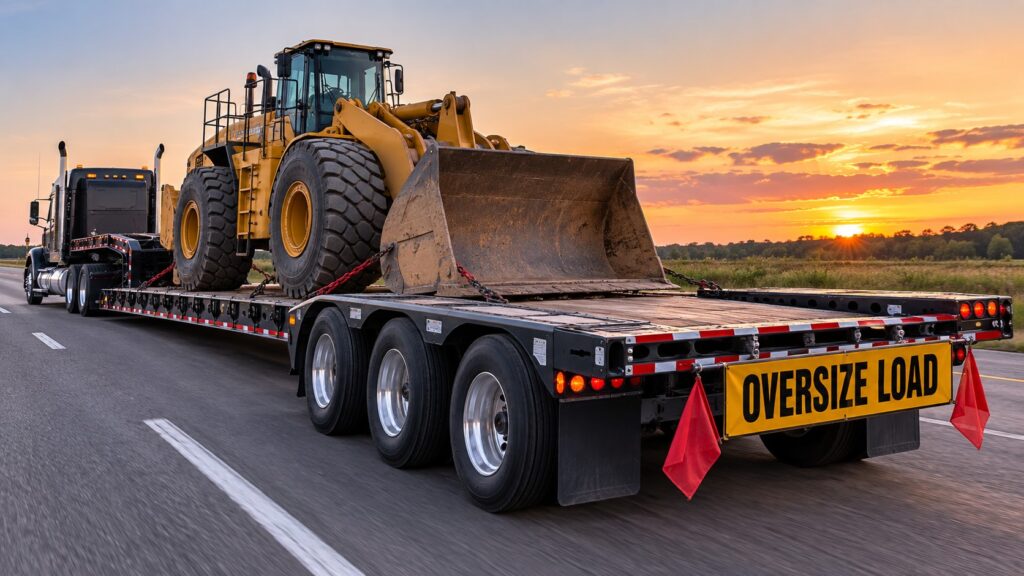
Expandable trailers, also called extendable trailers, solve a simple problem: one load does not fit every run. Some jobs need more width. Others need more length. The right extendable trailer gives you room to move without buying more than one special trailer.
That can cut permits, extra trips, and idle gear.
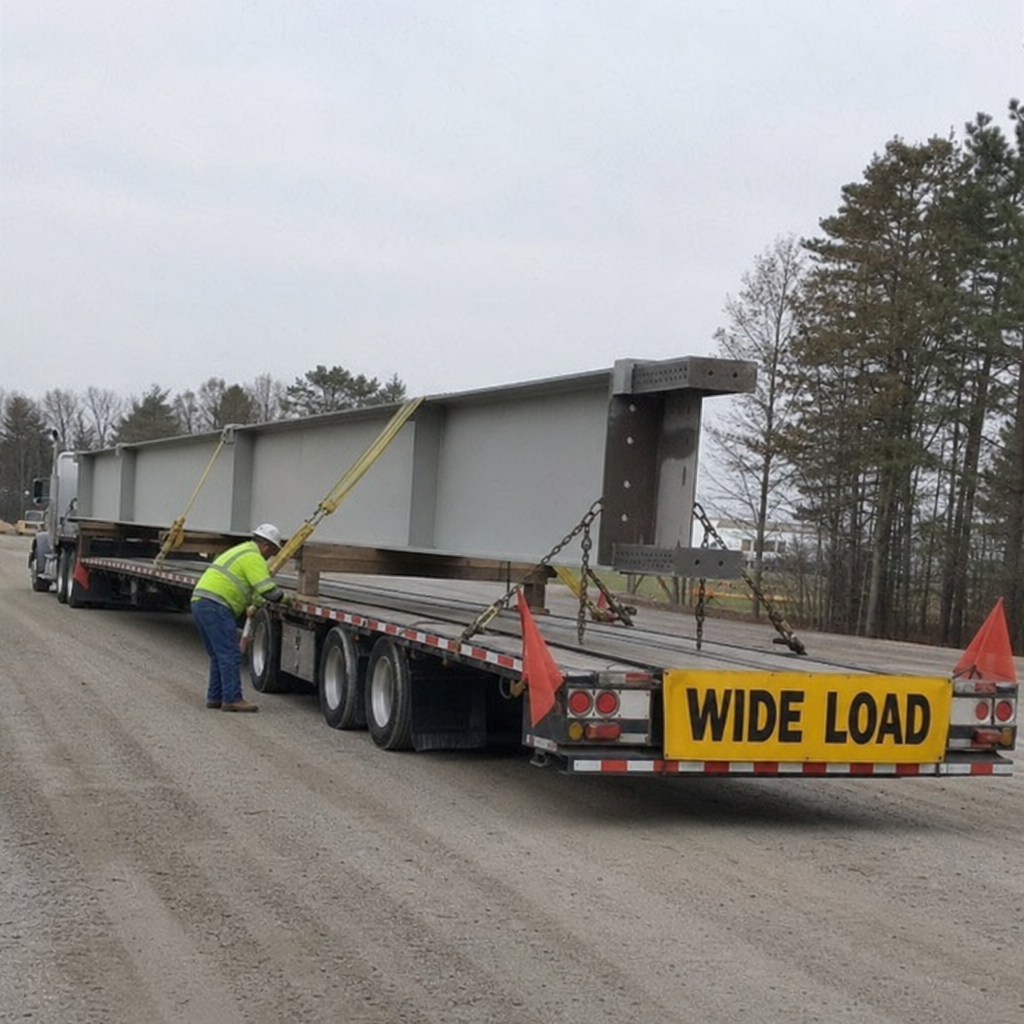
What are expandable trailers and what is a fold-out trailer?
Expandable trailers are built to grow in usable deck area when needed, then shrink back to a legal, easy-to-tow size.
There are two main types:
- Commercial expandable and extendable trailers: built for heavy haul and jobsite gear. Many are lowboys or goosenecks.
- Camping fold-outs: a fold-out camping trailer, pop-up, or hybrid RV that adds living space.
In RV use, a fold-out trailer adds beds or rooms with canvas or hard-wall parts. In heavy haul, expandable means the deck gets wider or longer.
How heavy-haul expandable goosenecks work
One good example is the XL Mechanical Gooseneck Expandable (MGX) trunnion trailer. XL says the MGX can carry 100,000 lb in 16 ft, with a total length of about 44 ft and a 23-ft main deck. Its rear deck can widen from 8 ft 6 in to 10 ft. Air cylinders move the tire group out when needed. That helps with axle layout, weight balance, and some permit choices. It is useful in places with strict scale rules, including the Western U.S. and California.
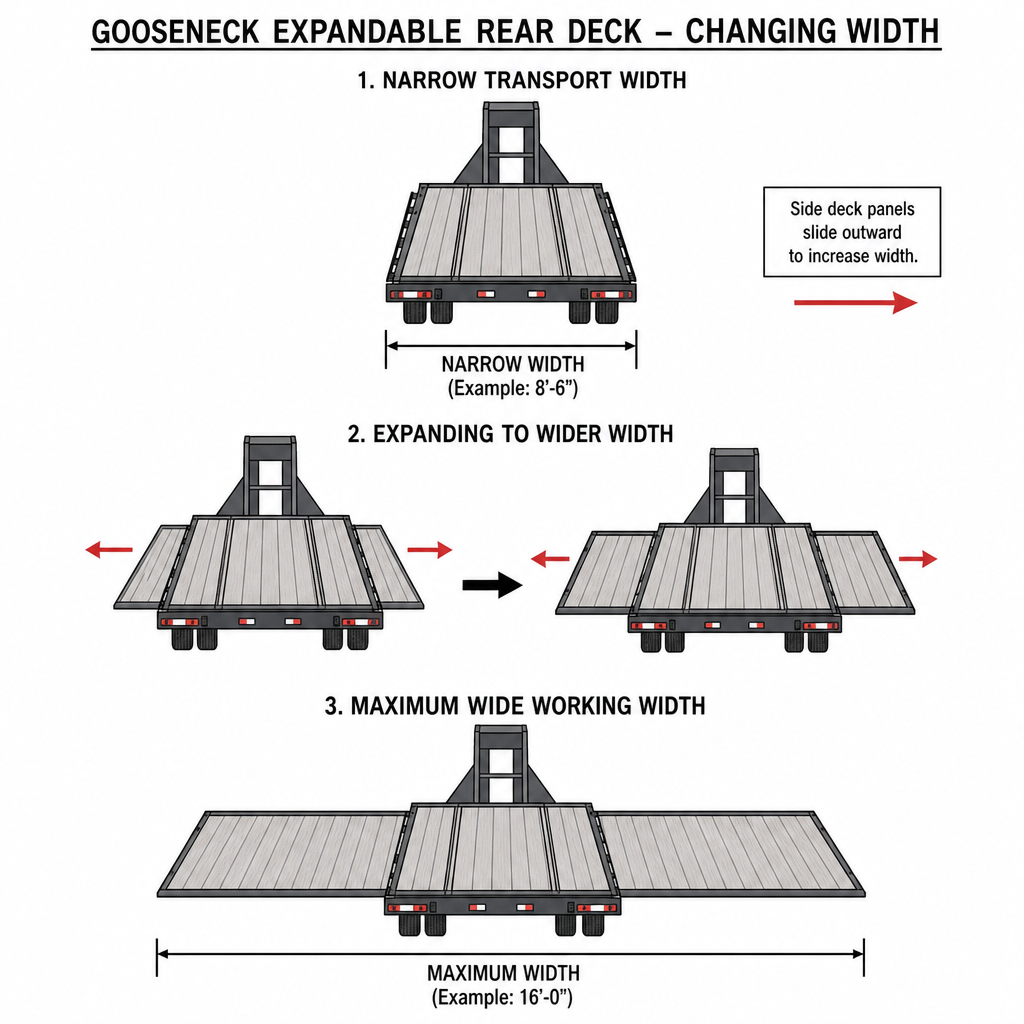
This kind of design is a strong fit where axle rules and scale checks are strict.
Trailer expansion types
Not all trailer expansion systems are the same. When you compare them, look at:
- Width-expanding rear decks: add stability and more load room.
- Length-extending decks: good for long steel, pipe, or boom sections.
- Detachable vs fixed goosenecks: detachable models can make loading easier.
- Air vs hydraulic vs mechanical actuation: each changes repair ease, speed, and complexity.
Action tip: ask the dealer exactly what expands, how it moves, and which wear parts need regular care, such as pins, slides, hoses, cylinders, and bushings.
Core benefits of extendable trailers
1) Fewer permits and fewer rule problems
Being able to run at 8 ft 6 in wide until you truly need extra width can cut over-width trouble on some routes. When expansion is optional, you can match the trailer size to the route, load, and rules.
2) One trailer, more job types
Expandable and extendable setups cut the need to keep many decks in the yard just in case.
- lower capital tied up in idle assets
- higher use
- faster dispatch decisions
3) Better load placement and scaling
On designs with expandable rear wheel areas, you get more freedom to place the load over the axles. That helps with legal weights and ride quality.
4) Better resale demand in the right market
Search demand shows steady interest in expandable trailers for sale because buyers want flexibility. If you spec the trailer well, resale can be better than with very narrow one-use builds.
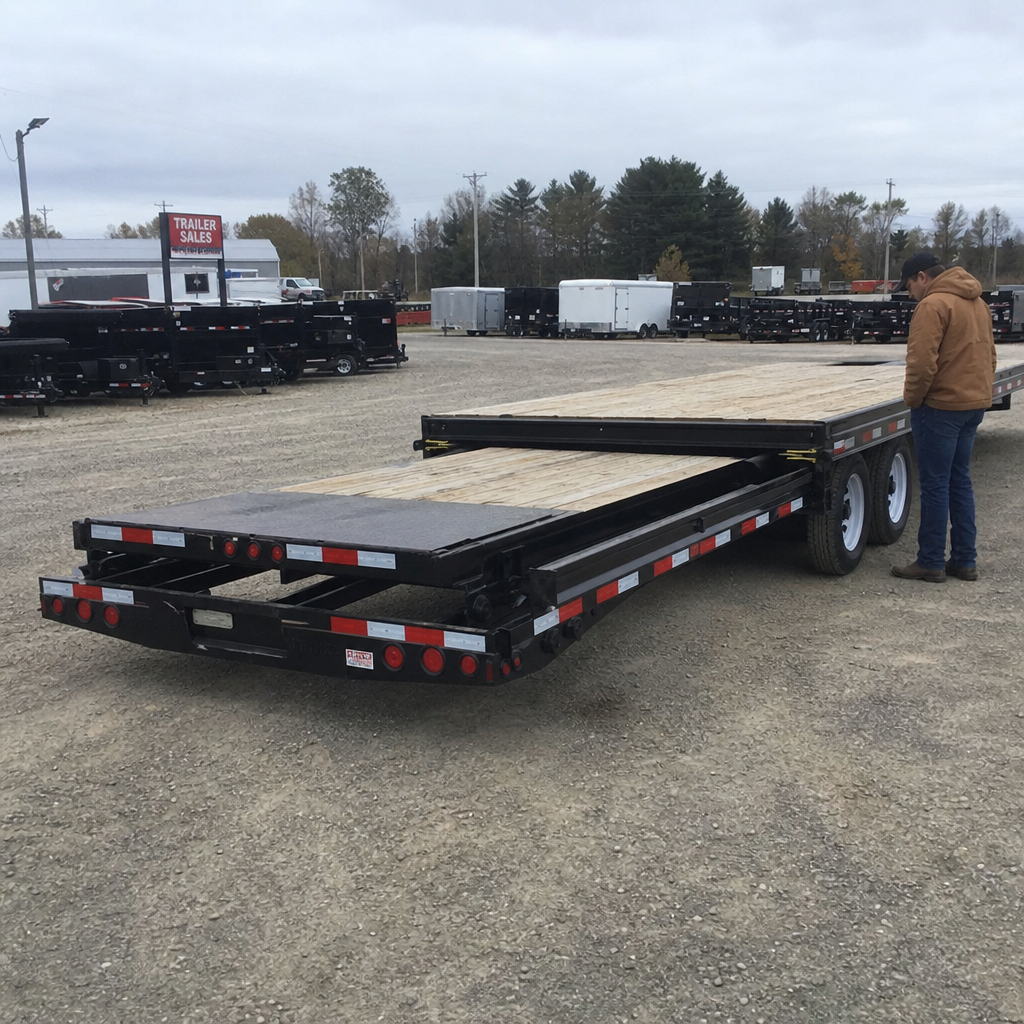
Shopping: expandable trailers for sale and financing considerations
When you compare expandable trailers for sale, ask for:
- the expansion range and how it works
- rated capacity at key deck sections
- maintenance points on slides, cylinders, and locks
- real lead times and upgrade options
For RV and commercial buyers, fold-out trailer financing options often include dealer financing, credit unions, or equipment lenders for commercial units. Compare:
- total loan cost
- down payment needs
- loan term vs expected use life
Two heavy-duty examples to explore
If you want purpose-built, job-ready options, you can review:
Takeaway: why expandable wins
Expandable trailers work because they adapt to load size, routes, rules, and business cycles. Whether you want an extendable platform for work, the smart move is simple: match the expansion style to real use, then keep the seals, moving parts, and weight in check.
Q&A
Question: What is the main benefit of an extendable trailer over owning several special trailers?
Short answer: More flexibility with less capital. An extendable trailer lets you change deck width or length to fit different loads and routes. That helps you avoid buying several niche trailers, cut idle assets, improve use, and make faster dispatch calls. In some cases, it can also reduce permits when you can stay at 8 ft 6 in wide.
Question: How are commercial expandable trailers different from RV fold-out trailers?
Short answer: Commercial expandable trailers grow usable payload deck area for hauling gear, usually with wider rear decks or telescoping beams. RV fold-out trailers grow living space with canvas or hard-wall sections. One is about load fit and scaling. The other is about camping space and tow efficiency.
Question: What should I ask a dealer to learn how a trailer expands and what that means for care?
Short answer: Ask what expands, how it moves, and which wear parts are routine. That includes deck parts, outriggers, tire groups, beams, pins, slides, hoses, cylinders, and bushings. Also check capacity at key deck sections, expansion range, and service points on slides, cylinders, and locks.
Question: How does the XL Mechanical Gooseneck Expandable help with compliance and scaling?
Short answer: The MGX can widen its rear deck and tire group from 8 ft 6 in to 10 ft with air cylinders. That gives operators more choices for axle load spread and stability. When kept at 8 ft 6 in, it can help avoid over-width permits on some runs. When expanded, it can help with scaling under strict axle rules in areas like the Western U.S. and California.